Organic Grain Vinegar
Auto-generated content. This description was generated automatically and is pending editorial review. Inaccuracies are possible. Found a mistake? Contact us.
What it is
Organic grain vinegar is made from fermented grains, such as corn or wheat, that are certified organic. The grains are first converted into alcohol, then further fermented by acetic acid bacteria to produce vinegar. The resulting product is a sour liquid used for flavoring and preservation.
Why it's used
Manufacturers add organic grain vinegar for its sharp, tangy flavor and preservative qualities. It is commonly found in condiments like ketchup, mustard, and salad dressings, as well as in pickled vegetables and sauces.
Health notes
Organic grain vinegar is generally recognized as safe (GRAS) by the FDA for use in food. Acetic acid, the main component of vinegar, is not known to cause harm at typical dietary levels. International bodies like JECFA have evaluated vinegar and its components. Evidence does not suggest adverse health effects from consuming vinegar in normal amounts.
Allergen info
Organic grain vinegar may be derived from wheat or other grains that contain gluten. Consumers with celiac disease or gluten sensitivity should check product labels for specific allergen information.
Products containing Organic Grain Vinegar
Compare products →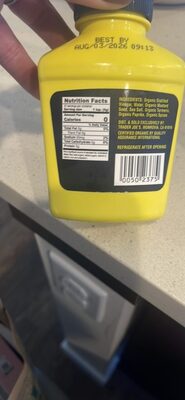 Al-Len Pattern Co.
Trader Joe's, Organic Yellow Mustard
0kcal
0Protein
0Fat
0Carbs
DEW- Drink Eat Well, LLC
Hilary's, Creamy Remoulade Salad Dressing & Dip
233kcal
0Protein
26.7Fat
3.3Carbs
Drew's LLC
Dressing & Quick Marinade, Thai Sesame Lime
567kcal
0Protein
60Fat
3.3Carbs
Al-Len Pattern Co.
Trader Joe's, Organic Yellow Mustard
0kcal
0Protein
0Fat
0Carbs
DEW- Drink Eat Well, LLC
Hilary's, Creamy Remoulade Salad Dressing & Dip
233kcal
0Protein
26.7Fat
3.3Carbs
Drew's LLC
Dressing & Quick Marinade, Thai Sesame Lime
567kcal
0Protein
60Fat
3.3Carbs
 Drew's LLC
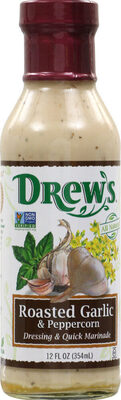
Drew's, Dressing & Quick Marinade, Roasted Garlic & Peppercorn, Roasted Garlic & Peppercorn
467kcal
0Protein
53.3Fat
0Carbs
ChefHak Inc
Honey Dijon Premium Salad Dressing
250kcal
3.6Protein
21.4Fat
17.9Carbs
Glencourt Inc.
Organic Mayonnaise
714kcal
0Protein
78.6Fat
0Carbs
Drew's LLC
Drew's, Dressing & Quick Marinade, Roasted Garlic & Peppercorn, Roasted Garlic & Peppercorn
467kcal
0Protein
53.3Fat
0Carbs
ChefHak Inc
Honey Dijon Premium Salad Dressing
250kcal
3.6Protein
21.4Fat
17.9Carbs
Glencourt Inc.
Organic Mayonnaise
714kcal
0Protein
78.6Fat
0Carbs
 Glencourt Inc.
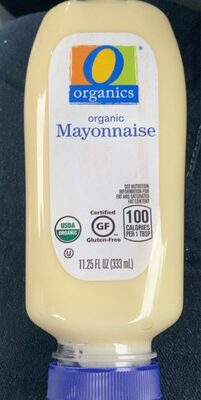
Organic Mayonnaise
714kcal
0Protein
78.6Fat
0Carbs
Glencourt Inc.
Organic Mayonnaise
714kcal
0Protein
78.6Fat
0Carbs