Organic Millet Seeds
Auto-generated content. This description was generated automatically and is pending editorial review. Inaccuracies are possible. Found a mistake? Contact us.
What it is
Millet is a small, round, whole grain that has been cultivated for thousands of years. It is a staple food in parts of Africa and Asia. Millet is naturally gluten-free and is typically grown without the use of synthetic pesticides or fertilizers when labeled organic.
Why it's used
Millet seeds are often used in baked goods like breads and crackers, as well as in breakfast cereals and granola. They can also be cooked and eaten as a side dish, similar to rice or quinoa. Manufacturers add millet for its nutty flavor, chewy texture, and nutritional value.
Health notes
Millet is considered a whole grain and is a good source of fiber, protein, and various micronutrients. The FDA lists millet as Generally Recognized As Safe (GRAS). International bodies like JECFA have evaluated millet and its components. Evidence suggests that whole grains like millet, as part of a balanced diet, are associated with positive health outcomes.
Allergen info
Millet is not one of the nine major allergens recognized by the FDA. It is naturally gluten-free.
Products containing Organic Millet Seeds
Compare products →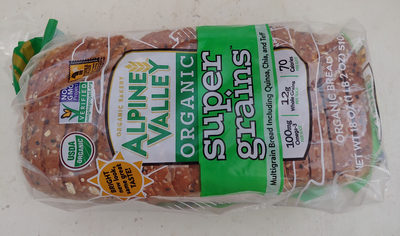 Alpine Valley Bread Co.
Super Grains Organic Bread, Super Grains
250kcal
10.7Protein
3.6Fat
50Carbs
Alpine Valley Bread Co.
Super Grains Organic Bread, Super Grains
250kcal
10.7Protein
3.6Fat
50Carbs
Alpine Valley Bread Co.
Super Grains Organic Bread, Super Grains
250kcal
10.7Protein
3.6Fat
50Carbs
Alpine Valley Bread Co.
Super Grains Organic Bread, Super Grains
250kcal
10.7Protein
3.6Fat
50Carbs
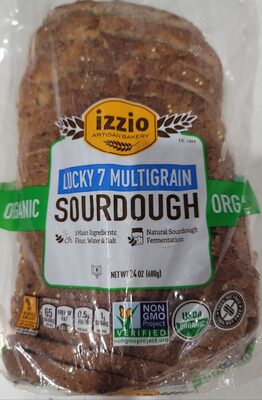 Izzio Artisan Bakery LLC
Lucky 7 Multigrain Organic Sourdough, Lucky 7 Multigrain
214kcal
7.1Protein
0.9Fat
39.3Carbs
Izzio Artisan Bakery LLC
Lucky 7 Multigrain Organic Sourdough, Lucky 7 Multigrain
214kcal
7.1Protein
0.9Fat
39.3Carbs