Organic Multigrain Blend
Auto-generated content. This description was generated automatically and is pending editorial review. Inaccuracies are possible. Found a mistake? Contact us.
What it is
An Organic Multigrain Blend is a mix of whole grains, such as oats, wheat, barley, and sometimes ancient grains like quinoa, amaranth, or millet. These grains are typically grown without synthetic pesticides or fertilizers. They are usually processed by cleaning, milling, and then blending to create a consistent mix.
Why it's used
Manufacturers use multigrain blends to add texture, flavor, and nutritional value to foods. They are common in breakfast cereals, bread, crackers, and snack bars. The blend provides a wholesome image and can contribute fiber and complex carbohydrates.
Health notes
Organic Multigrain Blend is generally recognized as safe by the FDA when used as food. It is a source of dietary fiber and various nutrients. International bodies like JECFA have evaluated many individual grains used in such blends. Evidence generally supports the health benefits of whole grains as part of a balanced diet.
Allergen info
This blend may contain wheat, which is one of the 9 FDA major allergens. It may also contain gluten if wheat, barley, or rye are included. Always check the specific ingredient list for allergen information.
Products containing Organic Multigrain Blend
Compare products →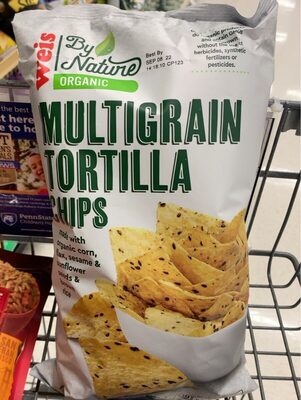 Weis Markets, Inc.
Multigrain Tortilla Chips, Multigrain
500kcal
7.1Protein
25Fat
64.3Carbs
Weis Markets, Inc.
Multigrain Tortilla Chips, Multigrain
500kcal
7.1Protein
25Fat
64.3Carbs