Organic Non-gmo Butter
What is Organic Non-gmo Butter?
Organic non-GMO butter is a dairy product made from the cream of milk. It is produced by churning cream until the milk fat separates from the buttermilk. "Organic" means it comes from cows raised according to organic farming standards, and "non-GMO" means the cows were not fed genetically modified organisms.
Is Organic Non-gmo Butter vegan?
No. Organic Non-gmo Butter is animal-derived, so it is not vegan.
Is Organic Non-gmo Butter a major allergen?
Butter is derived from milk, which is one of the nine major food allergens identified by the FDA.
What is Organic Non-gmo Butter used for?
Butter is widely used in food manufacturing for its rich flavor, creamy texture, and fat content.
Is Organic Non-gmo Butter safe?
Butter is a conventional food ingredient, not a food additive, and is generally recognized as safe (GRAS) by the FDA when used as a food.
Why it's used
Butter is widely used in food manufacturing for its rich flavor, creamy texture, and fat content. It is a common ingredient in baked goods like cookies and crackers, as well as in sauces, spreads, and confectionery. It adds moisture, tenderness, and a characteristic taste to many products.
Health notes
Butter is a conventional food ingredient, not a food additive, and is generally recognized as safe (GRAS) by the FDA when used as a food. It is a source of saturated fat. The 2025-2030 Dietary Guidelines for Americans recommend that saturated fat intake should be less than 10% of daily calories.
Allergen info
Butter is derived from milk, which is one of the nine major food allergens identified by the FDA.
Foods that contain Organic Non-gmo Butter
Compare products →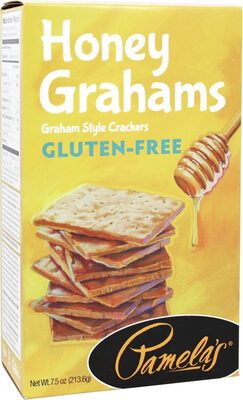 Pamela's Products Inc.
Honey Grahams Style Crackers, Honey Grahams
High in saturated fat — 20% DV per serving
500kcal
2.8Protein
22.2Fat
72.2Carbs
Pamela's Products Inc.
Graham Style Crackers, Cinnamon
517kcal
3.5Protein
20.7Fat
79.3Carbs
Pamela's Products Inc.
Graham Style Crackers, Chocolate
483kcal
3.5Protein
20.7Fat
75.9Carbs
Pamela's Products Inc.
Honey Grahams
483kcal
3.5Protein
20.7Fat
72.4Carbs
Pamela's Products Inc.
Chocolate Chunk Crispy Cookies, Chocolate Chunk
High in added sugars — 26% DV per serving
433kcal
3.3Protein
20Fat
63.3Carbs
Pamela's Products Inc.
Chocolate Chunk Walnut Crispy Cookies, Chocolate Chunk Walnut
High in added sugars — 24% DV per serving
500kcal
3.6Protein
25Fat
64.3Carbs
Pamela's Products Inc.
Ginger Crispy Cookies, Ginger
High in added sugars — 22% DV per serving
357kcal
3.6Protein
14.3Fat
60.7Carbs
Pamela's Products Inc.
Graham Style Crackers, Chocolate
High in saturated fat — 20% DV per serving
500kcal
2.8Protein
19.4Fat
77.8Carbs
Pamela's Products Inc.
Honey Grahams Style Crackers, Honey Grahams
High in saturated fat — 20% DV per serving
500kcal
2.8Protein
22.2Fat
72.2Carbs
Pamela's Products Inc.
Graham Style Crackers, Cinnamon
517kcal
3.5Protein
20.7Fat
79.3Carbs
Pamela's Products Inc.
Graham Style Crackers, Chocolate
483kcal
3.5Protein
20.7Fat
75.9Carbs
Pamela's Products Inc.
Honey Grahams
483kcal
3.5Protein
20.7Fat
72.4Carbs
Pamela's Products Inc.
Chocolate Chunk Crispy Cookies, Chocolate Chunk
High in added sugars — 26% DV per serving
433kcal
3.3Protein
20Fat
63.3Carbs
Pamela's Products Inc.
Chocolate Chunk Walnut Crispy Cookies, Chocolate Chunk Walnut
High in added sugars — 24% DV per serving
500kcal
3.6Protein
25Fat
64.3Carbs
Pamela's Products Inc.
Ginger Crispy Cookies, Ginger
High in added sugars — 22% DV per serving
357kcal
3.6Protein
14.3Fat
60.7Carbs
Pamela's Products Inc.
Graham Style Crackers, Chocolate
High in saturated fat — 20% DV per serving
500kcal
2.8Protein
19.4Fat
77.8Carbs
Learn more
Auto-generated content. This description was generated automatically and is pending editorial review. Inaccuracies are possible. Found a mistake? Contact us.