Organic Romano Cheese
What is Organic Romano Cheese?
Romano cheese is a hard, salty Italian cheese made from sheep's milk. It is often aged for at least five months, giving it a sharp, tangy flavor. Organic Romano cheese is produced from milk from cows raised according to organic farming standards.
Is Organic Romano Cheese vegan?
No. Organic Romano Cheese is animal-derived, so it is not vegan.
Is Organic Romano Cheese gluten-free?
It does not contain gluten.
Is Organic Romano Cheese a major allergen?
Romano cheese is derived from milk, which is one of the nine major allergens recognized by the FDA.
What is Organic Romano Cheese used for?
Romano cheese is frequently used as a grating cheese, similar to Parmesan, adding a sharp, salty flavor to dishes.
Is Organic Romano Cheese safe?
Romano cheese is generally recognized as safe (GRAS) by the FDA.
Why it's used
Romano cheese is frequently used as a grating cheese, similar to Parmesan, adding a sharp, salty flavor to dishes. It is commonly found in pasta dishes, sauces, pizzas, and as a topping for salads and vegetables.
Health notes
Romano cheese is generally recognized as safe (GRAS) by the FDA. It is a source of protein, calcium, and other nutrients. While generally safe for consumption, individuals with lactose intolerance or dairy allergies should avoid it. International bodies like EFSA have evaluated cheese and dairy products, but specific evaluations for Romano cheese are not widely publicized.
Allergen info
Romano cheese is derived from milk, which is one of the nine major allergens recognized by the FDA. It does not contain gluten.
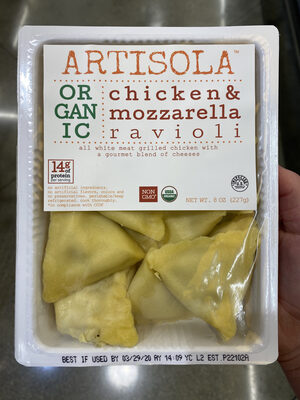
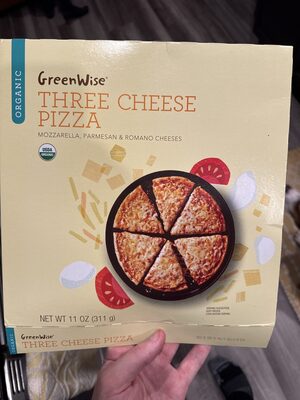
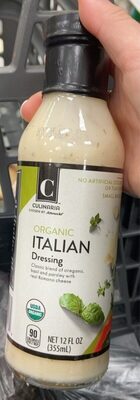
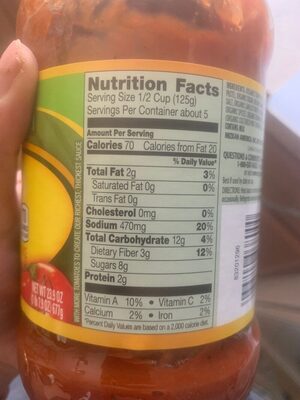
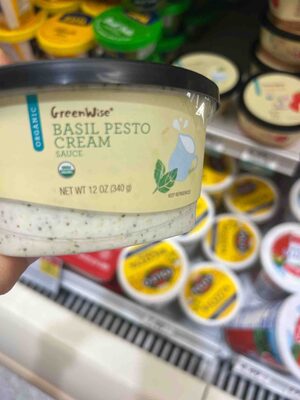
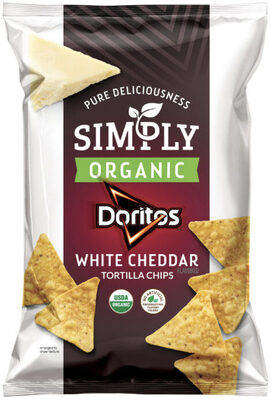
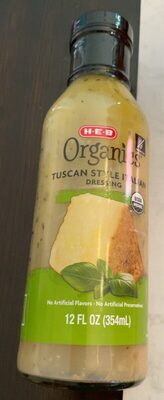
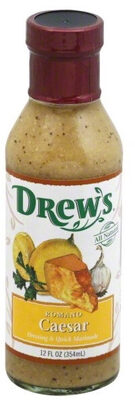
Foods that contain Organic Romano Cheese
Compare products →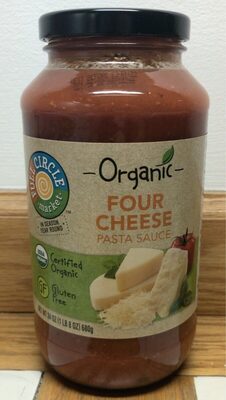
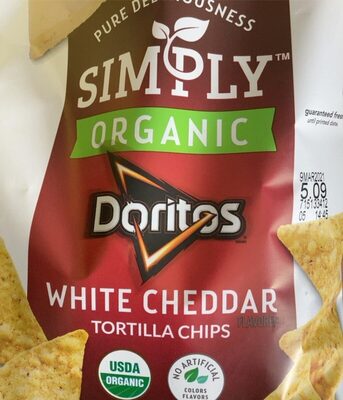
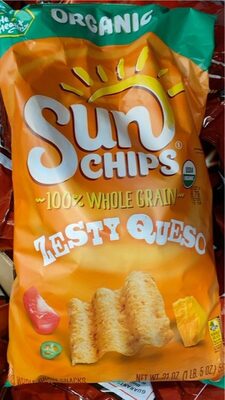
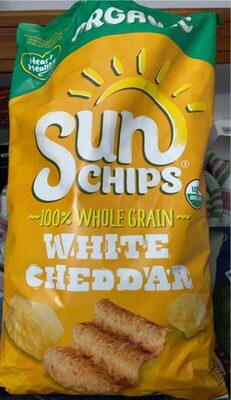
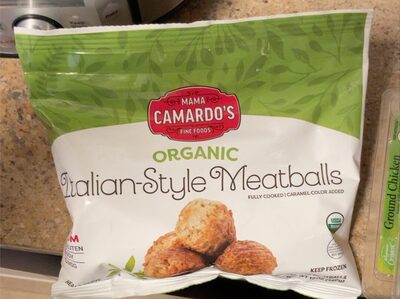
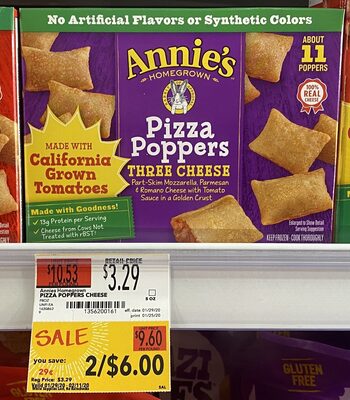
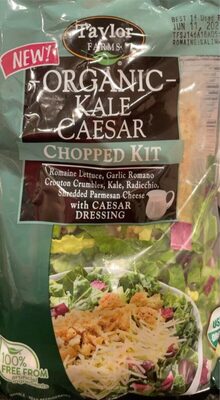
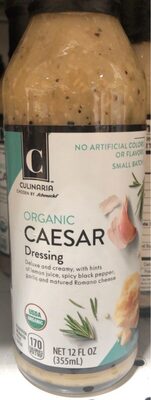
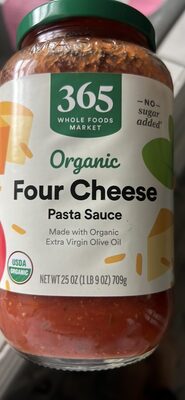
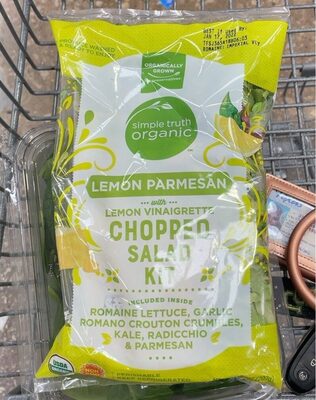
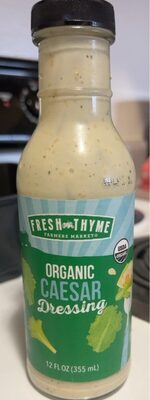
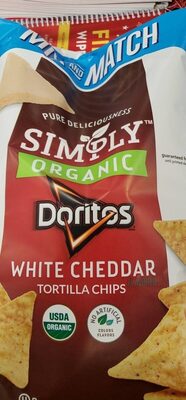
Learn more
Auto-generated content. This description was generated automatically and is pending editorial review. Inaccuracies are possible. Found a mistake? Contact us.