Organic White Wine
Auto-generated content. This description was generated automatically and is pending editorial review. Inaccuracies are possible. Found a mistake? Contact us.
What it is
Organic white wine is made from fermented white grapes grown without synthetic pesticides or fertilizers. The process involves crushing the grapes, then fermenting the juice, often with yeast, to convert sugars into alcohol. It is then aged, filtered, and bottled.
Why it's used
Manufacturers use organic white wine primarily as a flavoring ingredient in savory foods. Its acidity and complex flavor notes can enhance the taste of meats, sauces, and marinades. It is commonly found in processed meats like pepperoni, salami, and sausages.
Health notes
Organic white wine is generally recognized as safe (GRAS) by the FDA when used as a food ingredient. The primary health considerations relate to its alcohol content, which is not typically significant in the amounts used in food. Regulatory bodies like JECFA and EFSA have evaluated wine and its components. Evidence regarding moderate alcohol consumption and health is mixed, with some studies suggesting potential benefits and others highlighting risks.
Allergen info
Not a major allergen. However, some wines may use fining agents derived from allergens like egg or fish, though these are typically removed during processing.
Products containing Organic White Wine
Compare products →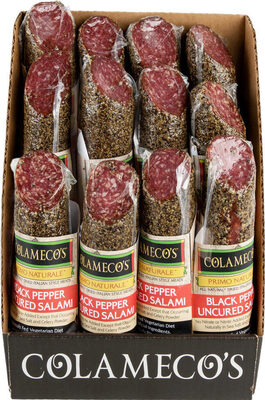 Wellshire Farms, Inc.
Uncured Salami, Black Pepper
321kcal
21.4Protein
25Fat
0Carbs
VIRC SNACKS
Let Thy Food, Spinach Artichoke Dip
143kcal
3.6Protein
8.9Fat
10.7Carbs
Ready Pac Produce, Inc.
Organic Chopped Complete Salad Kit
110kcal
2Protein
9Fat
7Carbs
Wellshire Farms, Inc.
Uncured Salami, Black Pepper
321kcal
21.4Protein
25Fat
0Carbs
VIRC SNACKS
Let Thy Food, Spinach Artichoke Dip
143kcal
3.6Protein
8.9Fat
10.7Carbs
Ready Pac Produce, Inc.
Organic Chopped Complete Salad Kit
110kcal
2Protein
9Fat
7Carbs
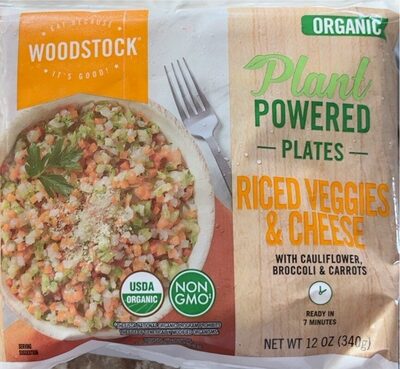 United Natural Foods, Inc.
Riced Veggies & Cheese With Cauliflower, Broccoli & Carrots Organic Plant Powered Plates, Riced Veggies & Cheese
45kcal
2.7Protein
2.7Fat
4.5Carbs
Wellshire Farms, Inc.
Herb Uncured Salami
321kcal
21.4Protein
25Fat
0Carbs
Taylor Fresh Foods, Inc.
Powermeal, Spinach Quinoa Bowl
148kcal
4.2Protein
7.0Fat
16.9Carbs
Wellshire Farms, Inc.
Colameco's, Uncured Sopressata Pork
321kcal
21.4Protein
25Fat
0Carbs
United Natural Foods, Inc.
Riced Veggies & Cheese With Cauliflower, Broccoli & Carrots Organic Plant Powered Plates, Riced Veggies & Cheese
45kcal
2.7Protein
2.7Fat
4.5Carbs
Wellshire Farms, Inc.
Herb Uncured Salami
321kcal
21.4Protein
25Fat
0Carbs
Taylor Fresh Foods, Inc.
Powermeal, Spinach Quinoa Bowl
148kcal
4.2Protein
7.0Fat
16.9Carbs
Wellshire Farms, Inc.
Colameco's, Uncured Sopressata Pork
321kcal
21.4Protein
25Fat
0Carbs