Organic Whole Quinoa
Auto-generated content. This description was generated automatically and is pending editorial review. Inaccuracies are possible. Found a mistake? Contact us.
What it is
Quinoa is a flowering plant in the amaranth family, grown for its edible seeds. It is native to the Andean region of South America. The seeds are harvested, cleaned, and often lightly processed to remove the natural saponin coating before being sold as a whole grain.
Why it's used
Manufacturers add quinoa to foods for its nutritional value and texture. It is often used as a whole grain in products like breads, cereals, crackers, and granola, adding a slightly nutty flavor and a satisfying chew.
Health notes
Quinoa is generally recognized as safe (GRAS) by the FDA for use in food. It is a good source of protein, fiber, and various micronutrients. International bodies like JECFA and EFSA have evaluated quinoa and its components. Evidence suggests that including quinoa as part of a balanced diet can contribute to overall health, but no specific health claims are made by regulatory bodies.
Allergen info
Quinoa is not one of the nine FDA major allergens. It is naturally gluten-free, making it suitable for individuals with celiac disease or gluten sensitivity.
Products containing Organic Whole Quinoa
Compare products →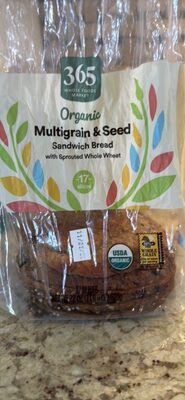 Whole Foods Market, Inc.
Sprouted Multigrain & Seed Sandwich Bread
250kcal
11.1Protein
4.2Fat
44.4Carbs
Organic Sprouted Whole Grain Bread
275kcal
15Protein
3.8Fat
45Carbs
Whole Foods Market, Inc.
Sprouted Multigrain & Seed Sandwich Bread
250kcal
11.1Protein
4.2Fat
44.4Carbs
Organic Sprouted Whole Grain Bread
275kcal
15Protein
3.8Fat
45Carbs