Palm Fractionated Palm And Canola Oil
What is Palm Fractionated Palm And Canola Oil?
Palm fractionated palm and canola oil is a blend of oils derived from palm fruit and the seeds of the canola plant. The palm oil component is fractionated, meaning it is separated into liquid and solid parts. This process allows for specific textures and melting points in the final oil blend.
Is Palm Fractionated Palm And Canola Oil vegan?
Palm Fractionated Palm And Canola Oil is not animal-derived. Products that contain it can still include other animal-derived ingredients, so check the full ingredient list.
Is Palm Fractionated Palm And Canola Oil a major allergen?
Not a major allergen.
What is Palm Fractionated Palm And Canola Oil used for?
This oil blend is used in baked goods like breads, cakes, and cookies.
Is Palm Fractionated Palm And Canola Oil safe?
Palm fractionated palm and canola oil is generally recognized as safe (GRAS) by the FDA for use in food.
Why it's used
This oil blend is used in baked goods like breads, cakes, and cookies. Manufacturers add it to improve texture, add moisture, and extend shelf life. Its specific properties can help create a desirable mouthfeel and prevent staling.
Health notes
Palm fractionated palm and canola oil is generally recognized as safe (GRAS) by the FDA for use in food. It is a source of fat, providing calories and essential fatty acids. Regulatory bodies like JECFA have evaluated fats and oils, but specific evaluations for this precise blend may vary. Like other fats, excessive intake can contribute to increased calorie consumption.
Allergen info
Not a major allergen. Canola oil is not derived from any of the 9 major allergens. Palm oil is also not a major allergen.
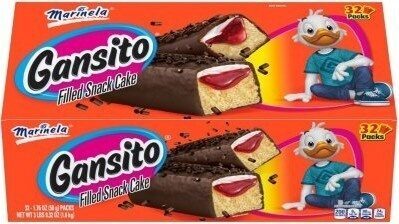
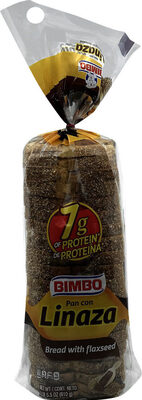
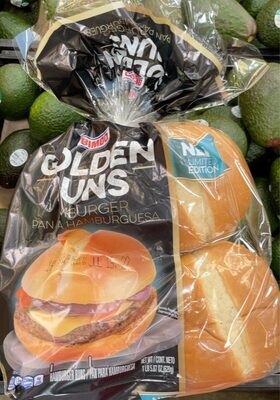
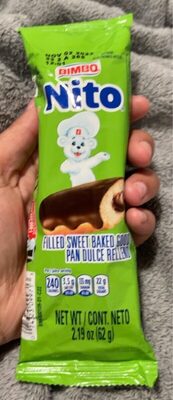
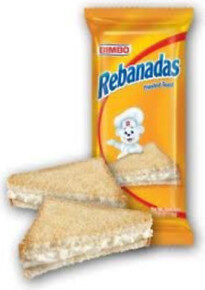
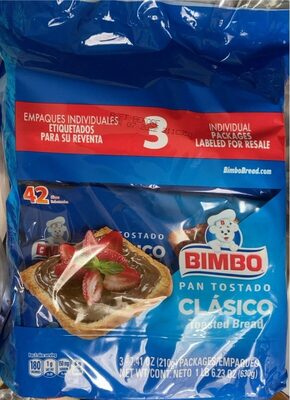
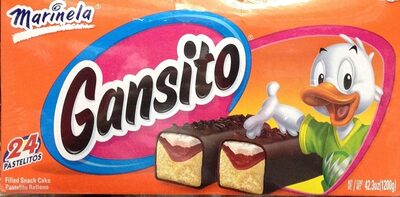
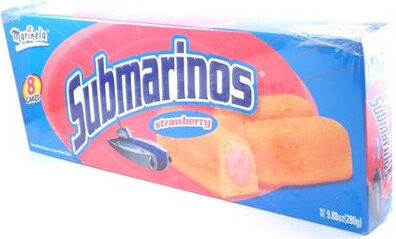
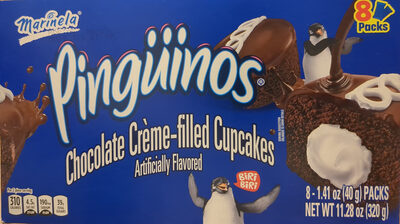
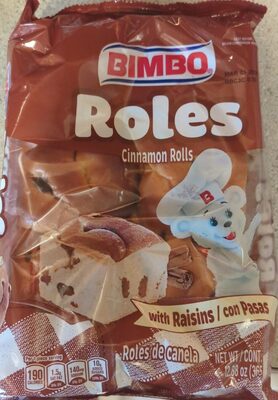
Foods that contain Palm Fractionated Palm And Canola Oil
Compare products →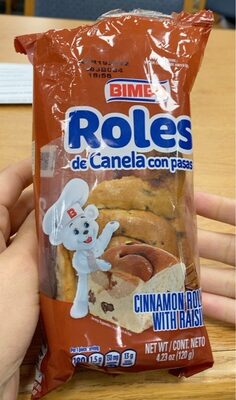
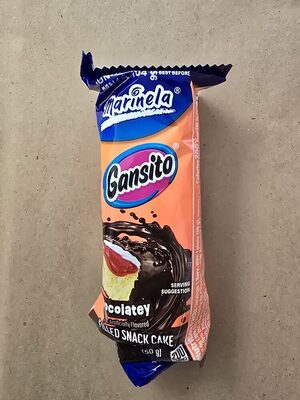
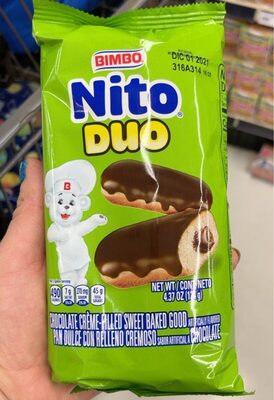
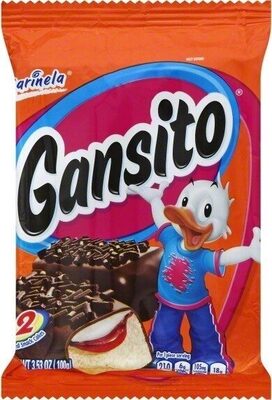

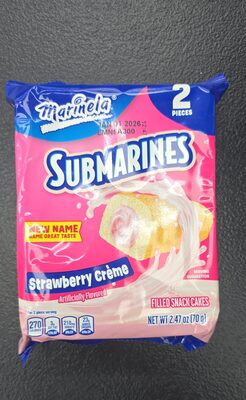
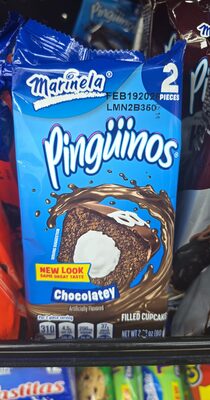
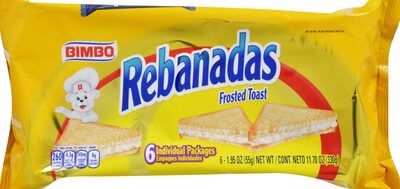
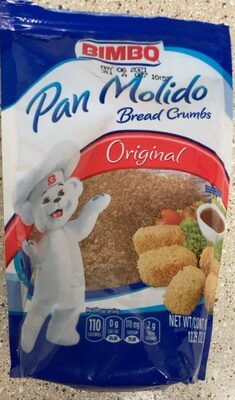
Learn more
Auto-generated content. This description was generated automatically and is pending editorial review. Inaccuracies are possible. Found a mistake? Contact us.