Palm Fractions
What is Palm Fractions?
Palm fractions are derived from palm oil. Palm oil is extracted from the fruit of oil palms. The oil is then physically separated into different fractions based on melting point, creating fractions with varying properties.
Is Palm Fractions vegan?
Palm Fractions is not animal-derived. Products that contain it can still include other animal-derived ingredients, so check the full ingredient list.
Is Palm Fractions gluten-free?
They do not contain gluten.
Is Palm Fractions a major allergen?
Palm fractions are not derived from any of the 9 FDA major allergens.
What is Palm Fractions used for?
Manufacturers use palm fractions for their functional properties, such as improving texture, providing stability, and acting as a fat source in baked goods and confectionery.
Is Palm Fractions safe?
Palm fractions are generally recognized as safe (GRAS) by the FDA for use in food.
Why it's used
Manufacturers use palm fractions for their functional properties, such as improving texture, providing stability, and acting as a fat source in baked goods and confectionery. They are commonly found in cookies, pastries, and frozen desserts.
Health notes
Palm fractions are generally recognized as safe (GRAS) by the FDA for use in food. Like other fats, they are calorie-dense. JECFA has evaluated palm oil and its fractions, establishing acceptable intake levels. Some research suggests diets high in saturated fats, like those found in palm oil, may impact cholesterol levels, but evidence is mixed and depends on the overall diet.
Allergen info
Palm fractions are not derived from any of the 9 FDA major allergens. They do not contain gluten.
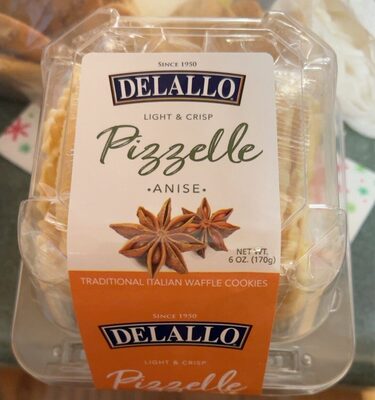
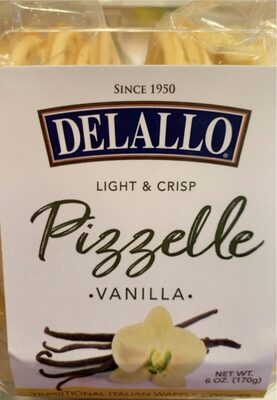
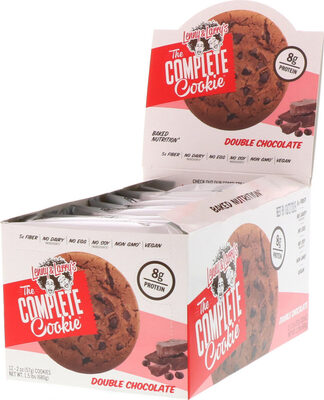
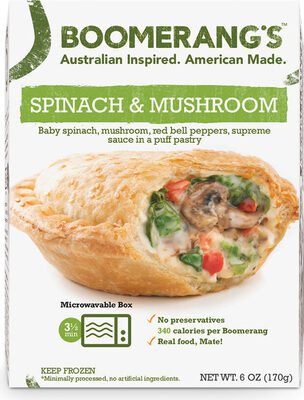
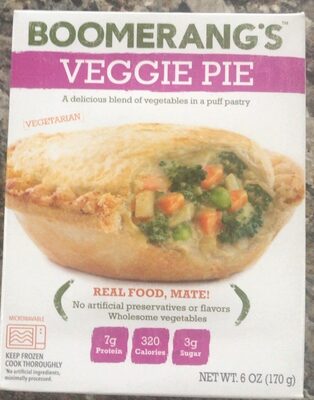
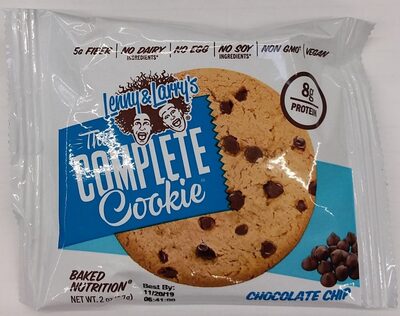
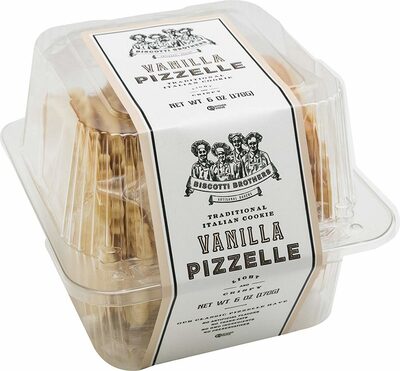
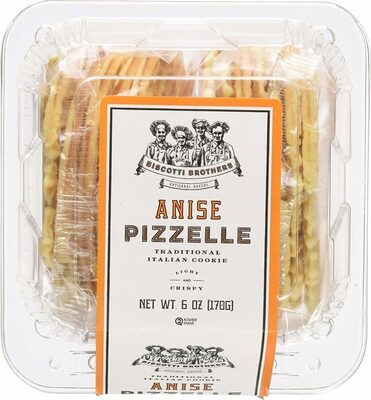
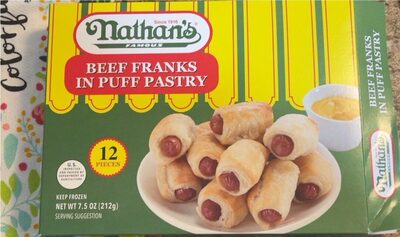
Foods that contain Palm Fractions
Compare products →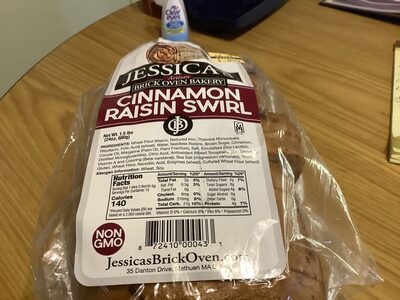
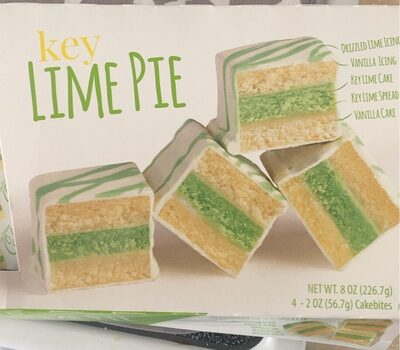

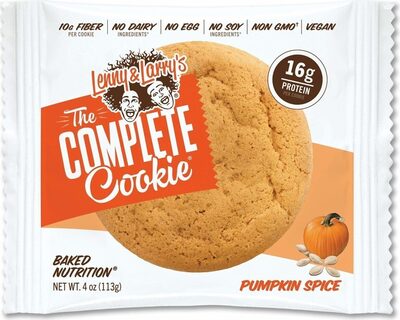
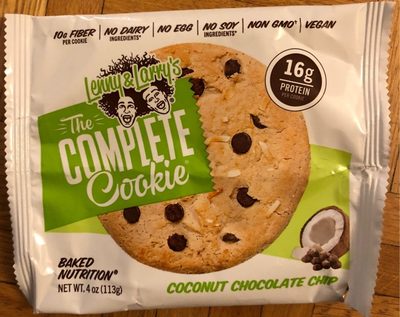
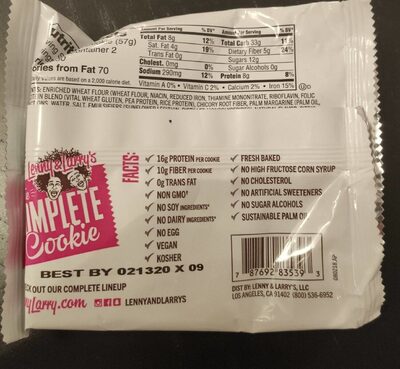
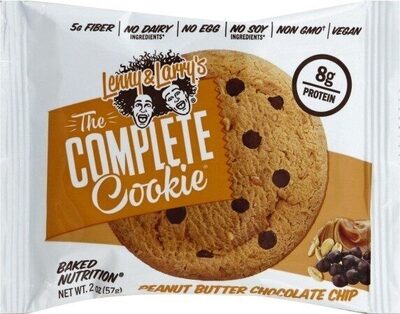

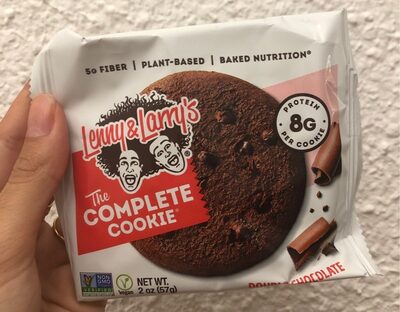
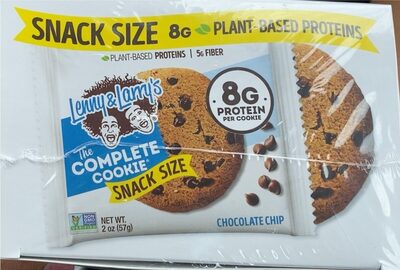
Learn more
Auto-generated content. This description was generated automatically and is pending editorial review. Inaccuracies are possible. Found a mistake? Contact us.