Parmesan Pasteurized Cow's Milk
What is Parmesan Pasteurized Cow's Milk?
Parmesan is a hard, dry cheese traditionally made from cow's milk. It is produced by heating milk, adding rennet to coagulate it, and then pressing the curds into molds. The cheese is then aged for at least 12 months, developing its characteristic sharp, nutty flavor and granular texture.
Is Parmesan Pasteurized Cow's Milk vegan?
No. Parmesan Pasteurized Cow's Milk is animal-derived, so it is not vegan.
Is Parmesan Pasteurized Cow's Milk gluten-free?
It does not contain gluten.
Is Parmesan Pasteurized Cow's Milk a major allergen?
Parmesan is derived from cow's milk, which is one of the 9 major allergens recognized by the FDA.
What is Parmesan Pasteurized Cow's Milk used for?
Parmesan adds a salty, savory flavor to a wide variety of dishes.
Is Parmesan Pasteurized Cow's Milk safe?
Parmesan cheese is a natural food product and is generally recognized as safe by the FDA.
Why it's used
Parmesan adds a salty, savory flavor to a wide variety of dishes. It is often grated over pasta, soups, and salads, or used as an ingredient in sauces, baked goods, and pizza toppings. Its firm texture also makes it suitable for use in cheese spreads and dips.
Health notes
Parmesan cheese is a natural food product and is generally recognized as safe by the FDA. It is a good source of protein and calcium. Like other dairy products, it contains saturated fat and sodium. The WHO recommends limiting saturated fat intake to less than 10% of daily calories and the FDA suggests a daily sodium intake of no more than 2,300 mg.
Allergen info
Parmesan is derived from cow's milk, which is one of the 9 major allergens recognized by the FDA. It does not contain gluten.
Foods that contain Parmesan Pasteurized Cow's Milk
Compare products →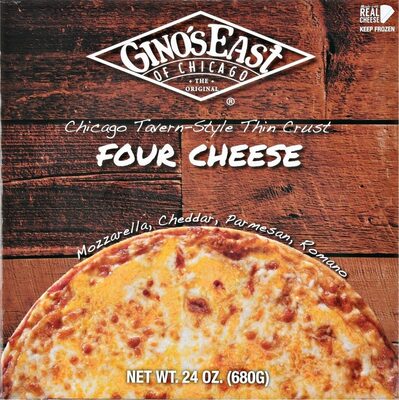
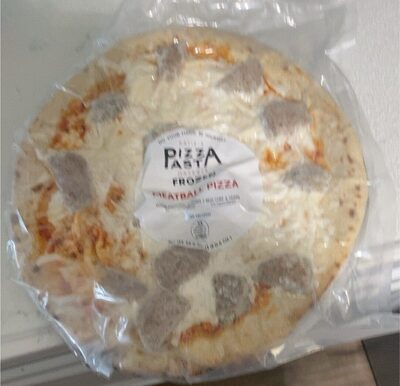
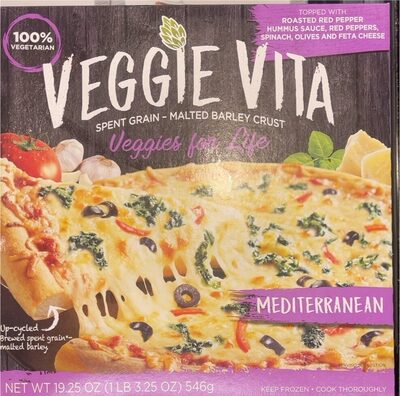
Learn more
Auto-generated content. This description was generated automatically and is pending editorial review. Inaccuracies are possible. Found a mistake? Contact us.