Part Skimmed Milk
What is Part Skimmed Milk?
Part-skimmed milk is milk from which some of the fat has been removed. The fat content typically falls between skim milk (virtually fat-free) and whole milk. It is a common ingredient derived from cows, goats, or sheep.
Is Part Skimmed Milk vegan?
No. Part Skimmed Milk is animal-derived, so it is not vegan.
Is Part Skimmed Milk gluten-free?
It does not contain gluten.
Is Part Skimmed Milk a major allergen?
Part-skimmed milk is derived from milk, which is one of the 9 FDA major allergens.
What is Part Skimmed Milk used for?
Manufacturers use part-skimmed milk as a source of protein and calcium, and for its creamy texture and mild flavor.
Is Part Skimmed Milk safe?
Part-skimmed milk is a source of calcium and protein.
Why it's used
Manufacturers use part-skimmed milk as a source of protein and calcium, and for its creamy texture and mild flavor. It is often found in dairy products like cheese, yogurt, and ice cream, as well as in baked goods, sauces, and processed meats.
Health notes
Part-skimmed milk is a source of calcium and protein. The U.S. Food and Drug Administration (FDA) considers milk a major food allergen. Regulatory bodies like the Joint FAO/WHO Expert Committee on Food Additives (JECFA) and the European Food Safety Authority (EFSA) have evaluated milk and its components. Typical consumption as part of a balanced diet is not associated with adverse health effects for most people.
Allergen info
Part-skimmed milk is derived from milk, which is one of the 9 FDA major allergens. It does not contain gluten.
Foods that contain Part Skimmed Milk
Compare products →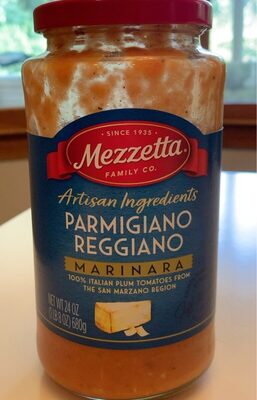 G L Mezzetta, Inc.
Marinara Parmigiano Reggiano, Marinara
High in sodium — 23% DV per serving
High in saturated fat — 20% DV per serving
128kcal
2.4Protein
10.4Fat
6.4Carbs
PRIANO
Alfredo Ziti Pasta
High in sodium — 27% DV per serving
High in saturated fat — 20% DV per serving
193kcal
6.3Protein
6.3Fat
26.3Carbs
Viva La Mamma U.S.A. , Inc.
Pesto Fusilli Pasta, Pesto
High in saturated fat — 45% DV per serving
250kcal
6.3Protein
12.7Fat
25.7Carbs
Dfs Gourmet Specialties
Garlic Butter With Parmesan & Basil
High in saturated fat — 21% DV per serving
667kcal
2.2Protein
74.4Fat
2.2Carbs
LUVO, Inc.
Vegetarian Kale Ricotta Ravioli
101kcal
5.3Protein
3.1Fat
15.0Carbs
G L Mezzetta, Inc.
Parmigiano Reggiano Marinara, Parmigiano Reggiano
High in sodium — 23% DV per serving
High in saturated fat — 20% DV per serving
128kcal
2.4Protein
10.4Fat
6.4Carbs
Rafael Padilla & Cia S. En C.
Broccoli & Cauliflower Bake, Broccoli & Cauliflower
High in saturated fat — 23% DV per serving
96kcal
3.7Protein
6.6Fat
5.9Carbs
Safex, Inc.
Sea Salt Parm Breadstick, Sea Salt Parm
455kcal
9.1Protein
18.2Fat
54.5Carbs
G L Mezzetta, Inc.
Marinara Parmigiano Reggiano, Marinara
High in sodium — 23% DV per serving
High in saturated fat — 20% DV per serving
128kcal
2.4Protein
10.4Fat
6.4Carbs
PRIANO
Alfredo Ziti Pasta
High in sodium — 27% DV per serving
High in saturated fat — 20% DV per serving
193kcal
6.3Protein
6.3Fat
26.3Carbs
Viva La Mamma U.S.A. , Inc.
Pesto Fusilli Pasta, Pesto
High in saturated fat — 45% DV per serving
250kcal
6.3Protein
12.7Fat
25.7Carbs
Dfs Gourmet Specialties
Garlic Butter With Parmesan & Basil
High in saturated fat — 21% DV per serving
667kcal
2.2Protein
74.4Fat
2.2Carbs
LUVO, Inc.
Vegetarian Kale Ricotta Ravioli
101kcal
5.3Protein
3.1Fat
15.0Carbs
G L Mezzetta, Inc.
Parmigiano Reggiano Marinara, Parmigiano Reggiano
High in sodium — 23% DV per serving
High in saturated fat — 20% DV per serving
128kcal
2.4Protein
10.4Fat
6.4Carbs
Rafael Padilla & Cia S. En C.
Broccoli & Cauliflower Bake, Broccoli & Cauliflower
High in saturated fat — 23% DV per serving
96kcal
3.7Protein
6.6Fat
5.9Carbs
Safex, Inc.
Sea Salt Parm Breadstick, Sea Salt Parm
455kcal
9.1Protein
18.2Fat
54.5Carbs
Learn more
Auto-generated content. This description was generated automatically and is pending editorial review. Inaccuracies are possible. Found a mistake? Contact us.