Partially Hydrogenated Palm Oil
Auto-generated content. This description was generated automatically and is pending editorial review. Inaccuracies are possible. Found a mistake? Contact us.
What it is
Partially hydrogenated palm oil is a fat made from palm oil that has been chemically altered through a process called partial hydrogenation. This process changes the oil's structure, making it more solid at room temperature and increasing its stability.
Why it's used
Manufacturers historically added partially hydrogenated palm oil to foods to improve texture, extend shelf life, and provide a desirable mouthfeel. It was commonly found in products like baked goods, snack cakes, and coffee creamers.
Health notes
The U.S. Food and Drug Administration (FDA) determined that partially hydrogenated oils (PHOs) are no longer Generally Recognized As Safe (GRAS) for use in food, with the primary compliance date for removal being 2018. This action was taken because PHOs are the main source of artificial trans fat in the diet. The US National Academies of Sciences, Engineering, and Medicine concluded that there is no safe level of artificial trans fat consumption, as it can increase the risk of heart disease. JECFA has also evaluated trans fatty acids, noting concerns about their impact on cardiovascular health.
Allergen info
Palm oil is not considered one of the nine major food allergens identified by the FDA.
Products containing Partially Hydrogenated Palm Oil
Compare products →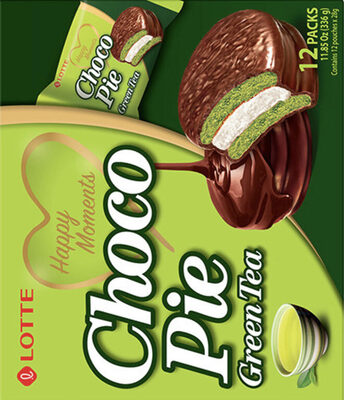 LOTTE
Choco Pie Green Tea
429kcal
3.6Protein
17.9Fat
64.3Carbs
LOTTE
Choco Pie Green Tea
429kcal
3.6Protein
17.9Fat
64.3Carbs