Pasteurized Cow's
What is Pasteurized Cow's?
Pasteurized cow's milk is milk from cows that has been heated to a specific temperature for a set amount of time to kill harmful bacteria. This process extends its shelf life and makes it safer for consumption. It is the primary ingredient in most dairy products.
Is Pasteurized Cow's vegan?
No. Pasteurized Cow's is animal-derived, so it is not vegan.
Is Pasteurized Cow's gluten-free?
It is also a source of gluten-free protein.
Is Pasteurized Cow's a major allergen?
Milk is one of the 9 major allergens identified by the FDA.
What is Pasteurized Cow's used for?
Pasteurized cow's milk is used as a base for a wide variety of dairy products, including cheese, yogurt, butter, and cream.
Is Pasteurized Cow's safe?
Pasteurized cow's milk is a source of calcium, vitamin D, and protein.
Why it's used
Pasteurized cow's milk is used as a base for a wide variety of dairy products, including cheese, yogurt, butter, and cream. Manufacturers use it for its nutritional value, texture, and flavor-building properties in both dairy and non-dairy applications.
Health notes
Pasteurized cow's milk is a source of calcium, vitamin D, and protein. The U.S. Food and Drug Administration (FDA) considers it Generally Recognized As Safe (GRAS). While generally safe, some individuals may experience digestive discomfort due to lactose intolerance. Organizations like the World Health Organization (WHO) and the European Food Safety Authority (EFSA) have evaluated milk and dairy products as part of broader dietary recommendations.
Allergen info
Milk is one of the 9 major allergens identified by the FDA. It is also a source of gluten-free protein.
Foods that contain Pasteurized Cow's
Compare products →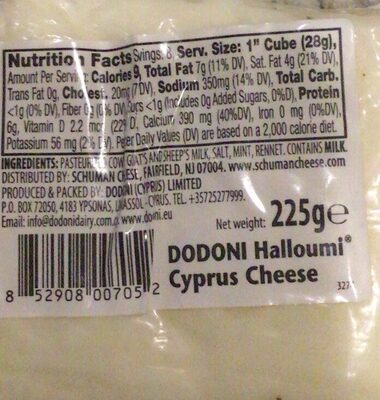
Learn more
Auto-generated content. This description was generated automatically and is pending editorial review. Inaccuracies are possible. Found a mistake? Contact us.