Auto-generated content.
This description was generated automatically and is pending editorial review.
Inaccuracies are possible. Found a mistake? Contact us.
Source
Animal-derived
Allergen
No
Role in food
Manufacturers use pasteurized cultured whole milk as a base for dairy products, adding richness, …
What it is
Pasteurized cultured whole milk is milk that has been heated to kill harmful bacteria and then had beneficial bacteria (cultures) added to it. These cultures ferment the milk's natural sugars, creating a tangy flavor and thicker texture. It is the base ingredient for many dairy products like yogurt and cheese.
Why it's used
Manufacturers use pasteurized cultured whole milk as a base for dairy products, adding richness, flavor, and texture. It is commonly found in cheeses, yogurts, sour cream, and cultured butter. It also serves as an ingredient in baked goods and frozen appetizers.
Health notes
Pasteurized cultured whole milk is a dairy product and a source of protein, calcium, and other nutrients. The FDA considers it Generally Recognized As Safe (GRAS). Regulatory bodies like JECFA and EFSA have evaluated similar cultured dairy products. Consuming dairy products as part of a balanced diet can contribute to bone health.
Allergen info
Pasteurized cultured whole milk is derived from milk, which is one of the 9 FDA major allergens. It does not contain gluten.
Note:
This site presents label data from USDA FoodData Central for general information. It is not medical advice.
Check the package label; formulations change.
 Redwood Hill Farm & Creamery, LLC
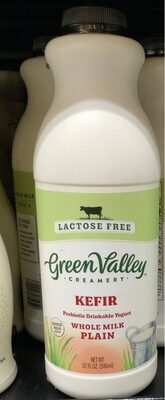
Plain Lactose Free Whole Milk Kefir Probiotic Drinkable Yogurt, Plain
High in saturated fat — 30% DV per serving
75kcal
4.2Protein
3.8Fat
6.2Carbs
Redwood Hill Farm & Creamery, LLC
Plain Lactose Free Whole Milk Kefir Probiotic Drinkable Yogurt, Plain
High in saturated fat — 30% DV per serving
75kcal
4.2Protein
3.8Fat
6.2Carbs