Pasteurized Milk Solids
What is Pasteurized Milk Solids?
Milk solids are the components of milk that remain after the water is removed. This typically includes proteins (like casein and whey), lactose (milk sugar), and minerals. They are produced by drying liquid milk, often through evaporation or spray-drying.
Is Pasteurized Milk Solids vegan?
No. Pasteurized Milk Solids is animal-derived, so it is not vegan.
Is Pasteurized Milk Solids gluten-free?
They do not contain gluten.
Is Pasteurized Milk Solids a major allergen?
Milk solids are derived from milk, which is one of the FDA's major allergens.
What is Pasteurized Milk Solids used for?
Manufacturers add milk solids to foods to enhance flavor, improve texture, and increase richness.
Is Pasteurized Milk Solids safe?
Milk solids are generally recognized as safe (GRAS) by the FDA when used in food.
Why it's used
Manufacturers add milk solids to foods to enhance flavor, improve texture, and increase richness. They can act as binders, emulsifiers, and contribute to browning during cooking. Milk solids are commonly found in processed meats, sauces, baked goods, and dairy-based products.
Health notes
Milk solids are generally recognized as safe (GRAS) by the FDA when used in food. They are a source of protein and calcium. The WHO and EFSA have not specifically evaluated milk solids as a distinct food additive, as they are considered a basic food component. No significant health concerns are associated with the consumption of milk solids at typical dietary levels.
Allergen info
Milk solids are derived from milk, which is one of the FDA's major allergens. They do not contain gluten.
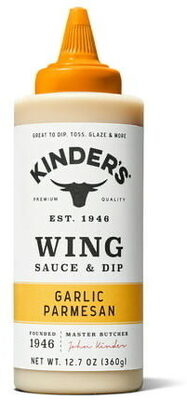
Foods that contain Pasteurized Milk Solids
Compare products →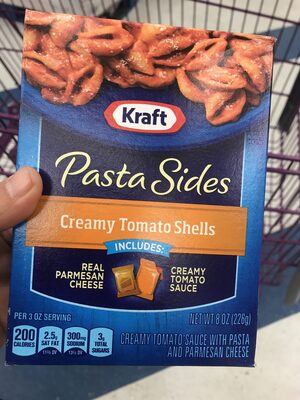
Learn more
Auto-generated content. This description was generated automatically and is pending editorial review. Inaccuracies are possible. Found a mistake? Contact us.