Pasteurized Non-fat Milk
What is Pasteurized Non-fat Milk?
Pasteurized non-fat milk is liquid milk from which the fat has been removed and then heated to kill harmful bacteria. It is a common dairy product used in a wide range of foods.
Is Pasteurized Non-fat Milk vegan?
No. Pasteurized Non-fat Milk is animal-derived, so it is not vegan.
Is Pasteurized Non-fat Milk a major allergen?
Milk is one of the nine major food allergens identified by the FDA.
What is Pasteurized Non-fat Milk used for?
Manufacturers use pasteurized non-fat milk as a source of protein and calcium, and for its creamy texture and mild flavor.
Is Pasteurized Non-fat Milk safe?
Pasteurized non-fat milk is generally recognized as safe (GRAS) by the FDA.
Why it's used
Manufacturers use pasteurized non-fat milk as a source of protein and calcium, and for its creamy texture and mild flavor. It is often found in yogurt, dairy-based beverages, frozen desserts, and as an ingredient in savory dishes.
Health notes
Pasteurized non-fat milk is generally recognized as safe (GRAS) by the FDA. It is a source of essential nutrients like calcium and vitamin D. International bodies like JECFA and EFSA have evaluated milk and dairy products, recognizing their nutritional value. No significant health controversies are associated with its consumption at typical levels.
Allergen info
Milk is one of the nine major food allergens identified by the FDA. Therefore, pasteurized non-fat milk is a major allergen.
Foods that contain Pasteurized Non-fat Milk
Compare products →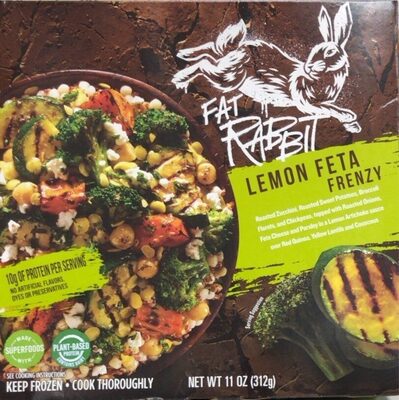
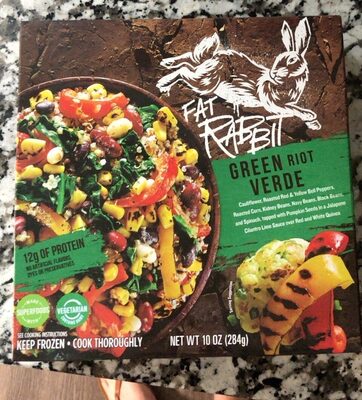
Learn more
Auto-generated content. This description was generated automatically and is pending editorial review. Inaccuracies are possible. Found a mistake? Contact us.