Pecorino Romano Dop Italian Cheese
What is Pecorino Romano Dop Italian Cheese?
Pecorino Romano is a hard, salty Italian cheese made from sheep's milk. The 'DOP' (Protected Designation of Origin) certification means it must be produced in specific regions of Italy using traditional methods. It is aged for several months, which contributes to its firm texture and strong flavor.
Is Pecorino Romano Dop Italian Cheese vegan?
No. Pecorino Romano Dop Italian Cheese is animal-derived, so it is not vegan.
Is Pecorino Romano Dop Italian Cheese a major allergen?
This ingredient is derived from milk, which is one of the nine major FDA allergens.
What is Pecorino Romano Dop Italian Cheese used for?
Manufacturers add Pecorino Romano to foods primarily for its distinct salty, sharp, and savory flavor.
Is Pecorino Romano Dop Italian Cheese safe?
Pecorino Romano is considered a food ingredient and is generally recognized as safe (GRAS) by the FDA.
Why it's used
Manufacturers add Pecorino Romano to foods primarily for its distinct salty, sharp, and savory flavor. It is commonly found in prepared pasta sauces, pestos, and other Italian-inspired dishes to enhance their taste.
Health notes
Pecorino Romano is considered a food ingredient and is generally recognized as safe (GRAS) by the FDA. As a dairy product, it contains protein, fat, and sodium. The FDA's Daily Value for sodium is 2,300 mg. There are no specific regulatory controversies regarding Pecorino Romano as a food ingredient.
Allergen info
This ingredient is derived from milk, which is one of the nine major FDA allergens.
Foods that contain Pecorino Romano Dop Italian Cheese
Compare products →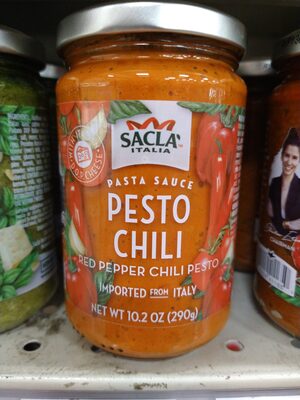
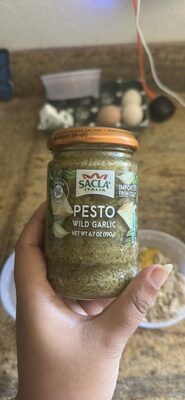
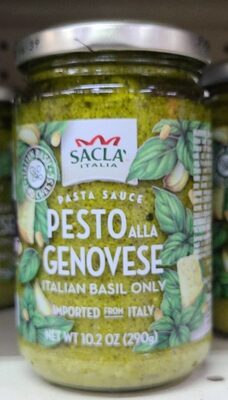
Learn more
Auto-generated content. This description was generated automatically and is pending editorial review. Inaccuracies are possible. Found a mistake? Contact us.