Ph Control Agent
What is Ph Control Agent?
A pH control agent is a substance used to adjust and maintain the acidity or alkalinity of food. These can be acids, bases, or salts, often derived from natural sources or produced through chemical processes. They help ensure food safety, texture, and flavor.
Is Ph Control Agent gluten-free?
Gluten status depends on the specific ingredient; many are naturally gluten-free, but some may be processed in facilities that handle gluten.
Is Ph Control Agent a major allergen?
Not a major allergen.
What is Ph Control Agent used for?
Manufacturers use pH control agents to preserve food, enhance flavor, and improve texture.
Is Ph Control Agent safe?
Many pH control agents are recognized as safe by the FDA.
Why it's used
Manufacturers use pH control agents to preserve food, enhance flavor, and improve texture. They are commonly found in jams, jellies, fruit spreads, baked goods, and snacks like chips and pretzels. By controlling pH, they can prevent spoilage and maintain product consistency.
Health notes
Many pH control agents are recognized as safe by the FDA. For example, citric acid and acetic acid are commonly used and generally regarded as safe (GRAS). International bodies like JECFA have evaluated various pH control agents. At typical consumption levels, they are not associated with adverse health effects. Evidence does not suggest significant health concerns for most common pH control agents.
Allergen info
Not a major allergen. Gluten status depends on the specific ingredient; many are naturally gluten-free, but some may be processed in facilities that handle gluten.
Foods that contain Ph Control Agent
Compare products →
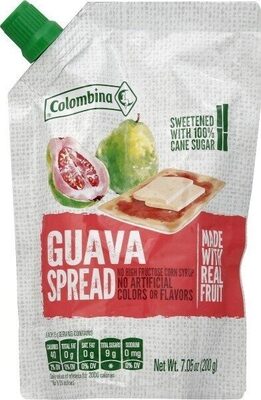

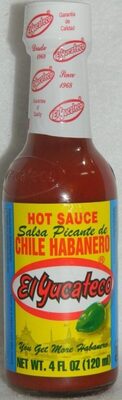
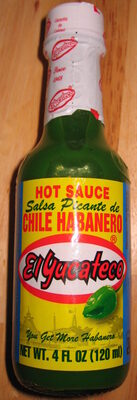
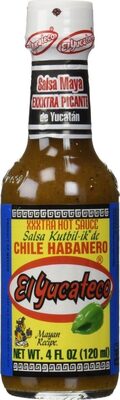
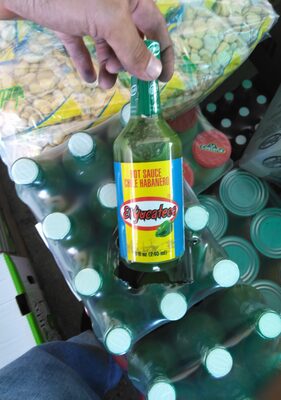
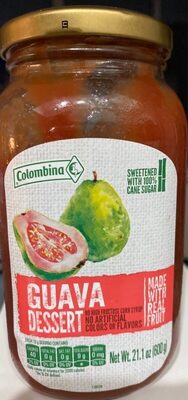
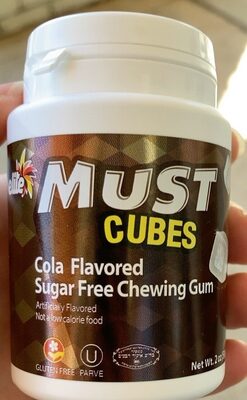
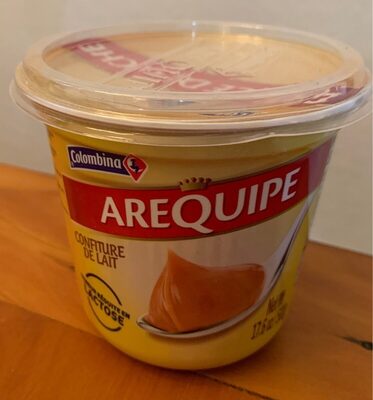
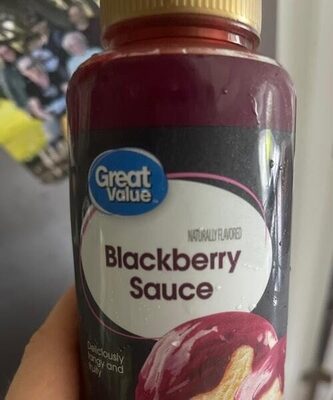
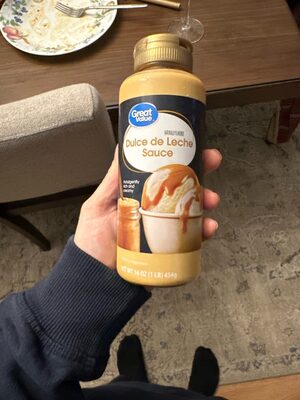
Auto-generated content. This description was generated automatically and is pending editorial review. Inaccuracies are possible. Found a mistake? Contact us.