Phenylketonurics: Phenylalanine
Auto-generated content. This description was generated automatically and is pending editorial review. Inaccuracies are possible. Found a mistake? Contact us.
What it is
Phenylalanine is an essential amino acid, meaning the body needs it but cannot make it. It is one of the 20 amino acids that make up proteins. It can be found naturally in protein-rich foods like meat, fish, eggs, and dairy.
Why it's used
Phenylalanine is not typically added to foods as an ingredient. However, it is a component of the artificial sweetener aspartame (Equal, NutraSweet). When aspartame is digested, it breaks down into phenylalanine, aspartic acid, and methanol. Foods containing aspartame include diet sodas, sugar-free candies, and some yogurts.
Health notes
The U.S. Food and Drug Administration (FDA) requires foods containing aspartame to carry a warning label for individuals with phenylketonuria (PKU). PKU is a rare genetic disorder where the body cannot properly metabolize phenylalanine, leading to its buildup to toxic levels. For people without PKU, phenylalanine from aspartame is generally considered safe. The Joint FAO/WHO Expert Committee on Food Additives (JECFA) has evaluated aspartame and established an acceptable daily intake (ADI).
Allergen info
Phenylalanine itself is not one of the 9 FDA major allergens. However, if it is derived from aspartame, and aspartame is used in a product containing a major allergen (like milk in some yogurts), then the product would be considered to contain that allergen.
Products containing Phenylketonurics: Phenylalanine
Compare products →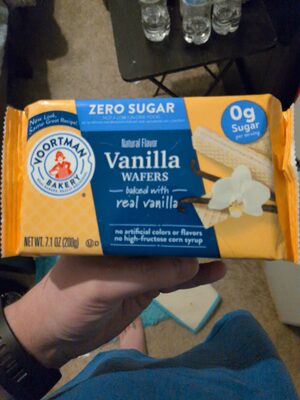 Kid Tested Tunes
Vanilla Wafers, Vanilla
481kcal
3.7Protein
29.6Fat
66.7Carbs
Kid Tested Tunes
Vanilla Wafers, Vanilla
481kcal
3.7Protein
29.6Fat
66.7Carbs
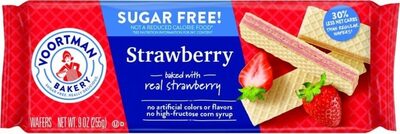 Kid Tested Tunes
Wafer Cookies, Strawberry
481kcal
3.7Protein
29.6Fat
63.0Carbs
Kid Tested Tunes
Wafer Cookies, Strawberry
481kcal
3.7Protein
29.6Fat
63.0Carbs
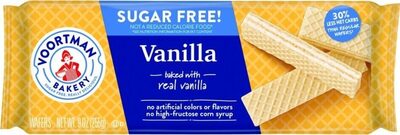 Kid Tested Tunes
Vanilla Wafers, Vanilla
481kcal
3.7Protein
29.6Fat
66.7Carbs
Kid Tested Tunes
Wafers, Vanilla
500kcal
2.9Protein
26.5Fat
64.7Carbs
Kid Tested Tunes
Peanut Butter Wafers, Chocolate
467kcal
6.7Protein
26.7Fat
66.7Carbs
Imperial Flavors, Inc.
Diet Dang!, Diet Butterscotch Root Beer
0kcal
0Protein
0Fat
0Carbs
Kid Tested Tunes
Vanilla Wafers, Vanilla
481kcal
3.7Protein
29.6Fat
66.7Carbs
Kid Tested Tunes
Wafers, Vanilla
500kcal
2.9Protein
26.5Fat
64.7Carbs
Kid Tested Tunes
Peanut Butter Wafers, Chocolate
467kcal
6.7Protein
26.7Fat
66.7Carbs
Imperial Flavors, Inc.
Diet Dang!, Diet Butterscotch Root Beer
0kcal
0Protein
0Fat
0Carbs
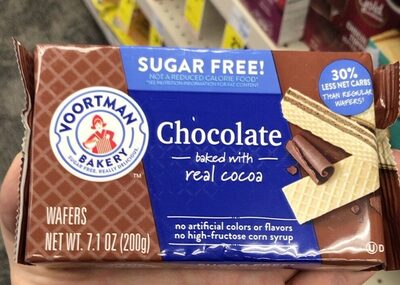 Kid Tested Tunes
Chocolate Wafers, Chocolate
519kcal
3.7Protein
29.6Fat
63.0Carbs
Kid Tested Tunes
Chocolate Wafers, Chocolate
519kcal
3.7Protein
29.6Fat
63.0Carbs
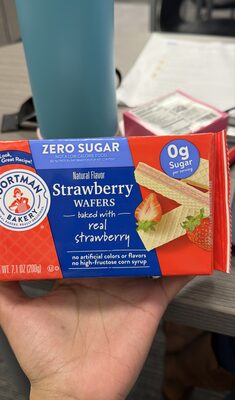 Kid Tested Tunes
Strawberry Baked With Real Strawberries Wafers, Strawberry
519kcal
3.7Protein
29.6Fat
63.0Carbs
Kid Tested Tunes
Strawberry Baked With Real Strawberries Wafers, Strawberry
519kcal
3.7Protein
29.6Fat
63.0Carbs
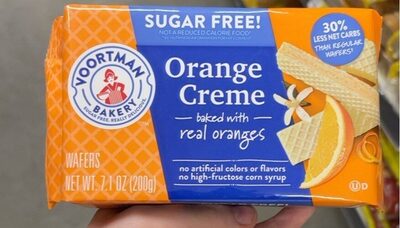 Kid Tested Tunes
Orange Creme Baked With Real Oranges Wafers, Orange Creme
519kcal
3.7Protein
29.6Fat
66.7Carbs
Kid Tested Tunes
Peanut Butter Wafers, Peanut Butter
519kcal
3.7Protein
22.2Fat
59.3Carbs
Kid Tested Tunes
Orange Creme Baked With Real Oranges Wafers, Orange Creme
519kcal
3.7Protein
29.6Fat
66.7Carbs
Kid Tested Tunes
Peanut Butter Wafers, Peanut Butter
519kcal
3.7Protein
22.2Fat
59.3Carbs
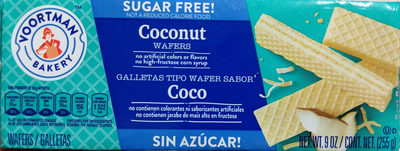 Kid Tested Tunes
Coconut Creme Wafers, Coconut Creme
519kcal
3.7Protein
29.6Fat
59.3Carbs
Kid Tested Tunes
Coconut Creme Wafers, Coconut Creme
519kcal
3.7Protein
29.6Fat
59.3Carbs
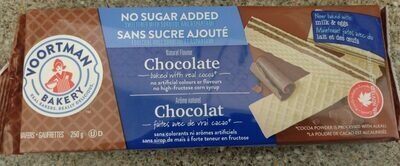 Kid Tested Tunes
Baked With Real Cocoa Chocolate Wafers, Chocolate
519kcal
3.7Protein
29.6Fat
63.0Carbs
Kid Tested Tunes
Baked With Real Cocoa Chocolate Wafers, Chocolate
519kcal
3.7Protein
29.6Fat
63.0Carbs