Phytonadione And Cyanocobalamin
What is Phytonadione And Cyanocobalamin?
Phytonadione is a form of Vitamin K, essential for blood clotting and bone health. Cyanocobalamin is a synthetic form of Vitamin B12, vital for nerve function and red blood cell formation. Both are often added to foods as nutritional supplements.
Is Phytonadione And Cyanocobalamin vegan?
Phytonadione And Cyanocobalamin is not animal-derived. Products that contain it can still include other animal-derived ingredients, so check the full ingredient list.
Is Phytonadione And Cyanocobalamin a major allergen?
Not a major allergen.
What is Phytonadione And Cyanocobalamin used for?
These vitamins are added to foods to increase their nutritional value, particularly in meal replacements, fortified beverages, and some processed foods.
Is Phytonadione And Cyanocobalamin safe?
Phytonadione and cyanocobalamin are vitamins essential for human health.
Why it's used
These vitamins are added to foods to increase their nutritional value, particularly in meal replacements, fortified beverages, and some processed foods. They help ensure consumers receive adequate amounts of these essential nutrients, which play key roles in bodily functions.
Health notes
Phytonadione and cyanocobalamin are vitamins essential for human health. The FDA recognizes them as important nutrients. Regulatory bodies like JECFA and EFSA have evaluated vitamins. At typical intake levels found in fortified foods, they are considered safe and beneficial for most people. Evidence does not suggest adverse effects from consuming these vitamins in amounts typically found in food.
Allergen info
Not a major allergen.
Foods that contain Phytonadione And Cyanocobalamin
Compare products →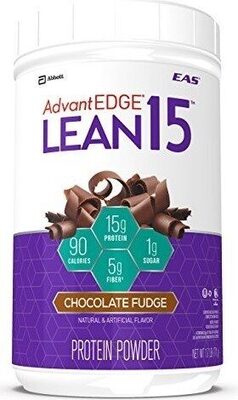
Learn more
Auto-generated content. This description was generated automatically and is pending editorial review. Inaccuracies are possible. Found a mistake? Contact us.