Poppy Seed Dressing
What is Poppy Seed Dressing?
Poppy seed dressing is a salad dressing that gets its name from the inclusion of poppy seeds. It is typically made with oil, vinegar or lemon juice, a sweetener like sugar or honey, and poppy seeds. Other ingredients can include mustard, onion, and herbs.
Is Poppy Seed Dressing vegan?
Poppy Seed Dressing is not animal-derived. Products that contain it can still include other animal-derived ingredients, so check the full ingredient list.
Is Poppy Seed Dressing a major allergen?
Poppy seeds are not one of the nine major allergens.
What is Poppy Seed Dressing used for?
Manufacturers add poppy seed dressing to salads for flavor and texture.
Is Poppy Seed Dressing safe?
Poppy seed dressing is generally recognized as safe (GRAS) by the FDA when used as a food ingredient.
Why it's used
Manufacturers add poppy seed dressing to salads for flavor and texture. The oil and vinegar base helps to coat salad ingredients, while the poppy seeds add a distinct crunch and nutty taste. It is commonly found in pre-packaged salads, particularly those with kale or coleslaw mixes.
Health notes
Poppy seed dressing is generally recognized as safe (GRAS) by the FDA when used as a food ingredient. Poppy seeds themselves are a source of fiber and healthy fats. While generally safe, consuming large quantities of poppy seeds might lead to a false positive on drug tests for opiates due to trace amounts of alkaloids, though this is rare with typical food consumption. The safety of individual ingredients in the dressing, such as sweeteners or oils, is evaluated by regulatory bodies.
Allergen info
Poppy seeds are not one of the nine major allergens. However, some dressings may contain other ingredients that are major allergens, such as soy or egg, so checking the ingredient list is recommended.
Foods that contain Poppy Seed Dressing
Compare products →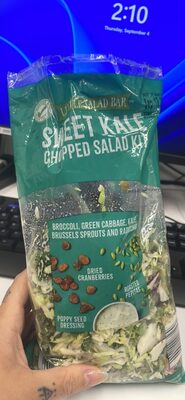
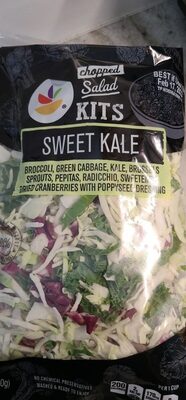
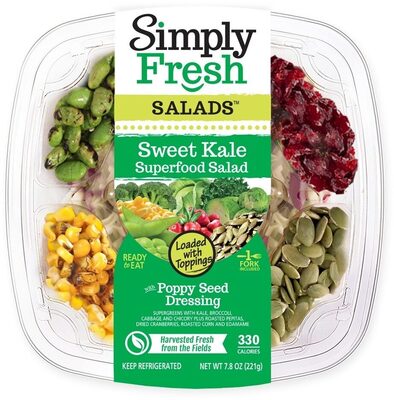
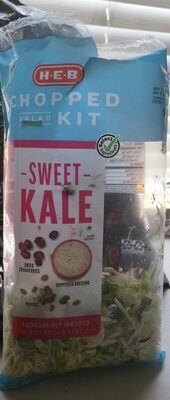
Learn more
Auto-generated content. This description was generated automatically and is pending editorial review. Inaccuracies are possible. Found a mistake? Contact us.