Pork Bacon
What is Pork Bacon?
Pork bacon is a cut of pork, typically from the belly, that has been cured. Curing usually involves salt, and often includes sugar, nitrates, and other flavorings. It is then often smoked.
Is Pork Bacon vegan?
No. Pork Bacon is animal-derived, so it is not vegan.
Is Pork Bacon gluten-free?
It does not contain gluten.
Is Pork Bacon a major allergen?
Pork bacon is not derived from any of the 9 FDA major allergens.
What is Pork Bacon used for?
Bacon is used to add a salty, smoky, savory flavor and a crispy texture to a wide variety of foods.
Is Pork Bacon safe?
Pork bacon is a source of protein and fat.
Why it's used
Bacon is used to add a salty, smoky, savory flavor and a crispy texture to a wide variety of foods. Manufacturers add it to enhance the taste of processed meats, frozen meals, snacks, and even some baked goods.
Health notes
Pork bacon is a source of protein and fat. The World Health Organization (WHO) classifies processed meats, including bacon, as Group 1 carcinogens, meaning there is sufficient evidence that they cause cancer in humans, primarily colorectal cancer. The FDA has not set specific upper intake limits for bacon consumption. Due to its high sodium and saturated fat content, health organizations like the American Heart Association recommend limiting intake of processed meats.
Allergen info
Pork bacon is not derived from any of the 9 FDA major allergens. It does not contain gluten.
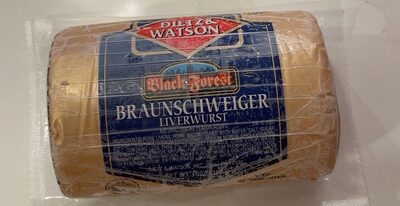
Foods that contain Pork Bacon
Compare products →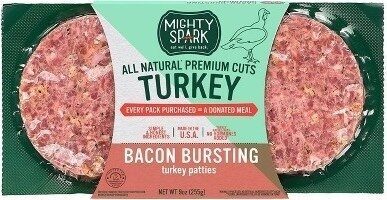
Learn more
Auto-generated content. This description was generated automatically and is pending editorial review. Inaccuracies are possible. Found a mistake? Contact us.