Powdered Cellulose <anti-caking Agent
Auto-generated content. This description was generated automatically and is pending editorial review. Inaccuracies are possible. Found a mistake? Contact us.
What it is
Powdered cellulose is a refined form of cellulose, a natural fiber found in the cell walls of plants. It is typically made from wood pulp or cotton linters. The process involves breaking down the plant material and purifying the cellulose fibers.
Why it's used
Powdered cellulose is used as an anti-caking agent and a thickener in various food products. It helps prevent powders from clumping together and can add bulk or texture. It is often found in shredded cheeses, baked goods, and processed foods.
Health notes
In the U.S., powdered cellulose is Generally Recognized As Safe (GRAS) by the FDA for use as an anti-caking agent. It is indigestible and passes through the body, acting as dietary fiber. International bodies like JECFA and EFSA have evaluated cellulose and its derivatives, generally considering them safe for consumption at typical levels. There is no widespread controversy regarding its safety.
Allergen info
Powdered cellulose is not derived from any of the nine FDA major allergens. It is a plant-based fiber and does not contain gluten.
Products containing Powdered Cellulose <anti-caking Agent
Compare products →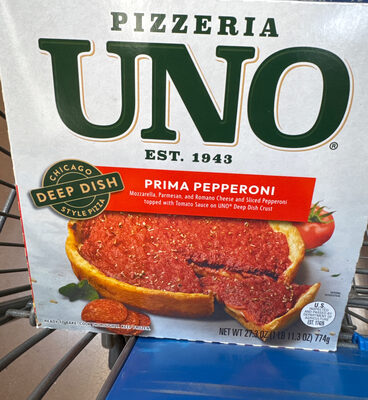 Uno Restaurants, Inc.
Chicago Style Deep Dish Pizza, Chicago Style
High in sodium — 29% DV per serving
High in saturated fat — 40% DV per serving
233kcal
10.8Protein
13.9Fat
17.1Carbs
Taylor Fresh Foods, Inc.
Creamy Parmesan Romano Penne Family Style Alfredo With Chicken, Creamy Parmesan Romano Penne
High in sodium — 32% DV per serving
High in saturated fat — 50% DV per serving
High in cholesterol — 25% DV per serving
158kcal
8.8Protein
7.9Fat
14.6Carbs
Uno Restaurants, Inc.
Chicago Style Deep Dish Pizza, Chicago Style
High in sodium — 29% DV per serving
High in saturated fat — 40% DV per serving
233kcal
10.8Protein
13.9Fat
17.1Carbs
Taylor Fresh Foods, Inc.
Creamy Parmesan Romano Penne Family Style Alfredo With Chicken, Creamy Parmesan Romano Penne
High in sodium — 32% DV per serving
High in saturated fat — 50% DV per serving
High in cholesterol — 25% DV per serving
158kcal
8.8Protein
7.9Fat
14.6Carbs