Powdered Vegetable Shortening
Auto-generated content. This description was generated automatically and is pending editorial review. Inaccuracies are possible. Found a mistake? Contact us.
What it is
Powdered vegetable shortening is a solid fat made from vegetable oils. It is typically produced by hydrogenating liquid vegetable oils, a process that makes them more solid at room temperature. The "powdered" form is created by adding starches or other anti-caking agents to prevent clumping.
Why it's used
Manufacturers add powdered vegetable shortening to provide a smooth texture, improve shelf life, and prevent ingredients from sticking together. It is commonly found in baked goods like cookies and cakes, as well as in icings and dessert toppings.
Health notes
Powdered vegetable shortening is generally recognized as safe (GRAS) by the FDA for use in food. It is primarily a source of fat. While some older forms of vegetable shortening contained significant amounts of trans fats, modern processing methods have greatly reduced or eliminated these. JECFA and EFSA have evaluated fats and oils, including hydrogenated vegetable oils, and have established acceptable intake levels.
Allergen info
Powdered vegetable shortening is not typically derived from major allergens. However, depending on the specific vegetable oil used (e.g., soy oil), it may be a concern for individuals with severe allergies. It does not contain gluten.
Products containing Powdered Vegetable Shortening
Compare products →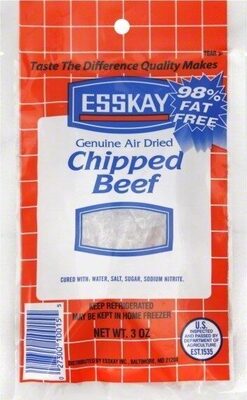 Smithfield Farmland Corp.
Creamed Chipped Beef
High in sodium — 25% DV per serving
High in saturated fat — 22% DV per serving
128kcal
4.8Protein
8.8Fat
7.2Carbs
Smithfield Farmland Corp.
Creamed Chipped Beef
High in sodium — 25% DV per serving
High in saturated fat — 22% DV per serving
128kcal
4.8Protein
8.8Fat
7.2Carbs