Precooked Scrambled Eggs: Whole Eggs
Auto-generated content. This description was generated automatically and is pending editorial review. Inaccuracies are possible. Found a mistake? Contact us.
What it is
Whole eggs are the reproductive cells of female chickens. They are a common source of protein and nutrients. For use in processed foods, eggs are often cooked and processed into various forms, such as scrambled or powdered, to extend shelf life and simplify preparation.
Why it's used
Manufacturers use precooked scrambled eggs as a protein source and for their binding and emulsifying properties. They are commonly found in frozen breakfast items, baked goods, and prepared meals where a convenient egg component is desired.
Health notes
Whole eggs are a natural food and are generally recognized as safe (GRAS) by the FDA when used as intended. They are a source of protein, vitamins, and minerals. Regulatory bodies like JECFA and EFSA have evaluated eggs and their components. Research on the health effects of dietary cholesterol from eggs has yielded mixed results, with some studies suggesting a limited impact on blood cholesterol for most people, while others indicate a potential effect in sensitive individuals.
Allergen info
Eggs are one of the 9 FDA major allergens. Gluten is not present in whole eggs.
Products containing Precooked Scrambled Eggs: Whole Eggs
Compare products →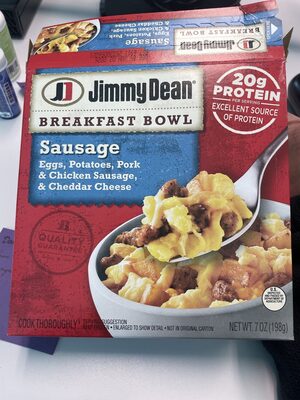 The Hillshire Brands Company
Sausage Eggs, Potatoes, Sausage & Cheddar Cheese Breakfast Bowl, Sausage
High in sodium — 39% DV per serving
High in saturated fat — 70% DV per serving
High in cholesterol — 85% DV per serving
222kcal
9.6Protein
17.2Fat
8.1Carbs
The Hillshire Brands Company
Sausage Eggs, Potatoes, Sausage & Cheddar Cheese Breakfast Bowl, Sausage
High in sodium — 39% DV per serving
High in saturated fat — 70% DV per serving
High in cholesterol — 85% DV per serving
222kcal
9.6Protein
17.2Fat
8.1Carbs