Pretzel Sticks
What is Pretzel Sticks?
Pretzel sticks are a type of baked snack made from a simple dough of flour, water, and yeast. The dough is shaped into thin sticks, often boiled briefly in water (sometimes with added baking soda) before baking to give them a distinct chewy texture and golden-brown crust.
Is Pretzel Sticks vegan?
Pretzel Sticks is not animal-derived. Products that contain it can still include other animal-derived ingredients, so check the full ingredient list.
Is Pretzel Sticks gluten-free?
Pretzel sticks are made from wheat and therefore contain gluten.
What is Pretzel Sticks used for?
Pretzel sticks are primarily consumed as a snack food on their own or as a component in snack mixes.
Is Pretzel Sticks safe?
Pretzel sticks are a grain-based food and a source of carbohydrates.
Why it's used
Pretzel sticks are primarily consumed as a snack food on their own or as a component in snack mixes. They provide a salty, crunchy element that complements other ingredients like nuts, seeds, and dried fruits. Manufacturers use them to add texture and a savory flavor profile to various snack products.
Health notes
Pretzel sticks are a grain-based food and a source of carbohydrates. The FDA considers pretzels to be generally recognized as safe (GRAS) when used as intended. They are typically low in fat and protein. While not a significant source of vitamins or minerals, they do contain sodium, which is important to consider as part of a balanced diet.
Allergen info
Pretzel sticks are made from wheat and therefore contain gluten. Wheat is one of the 9 FDA major allergens.
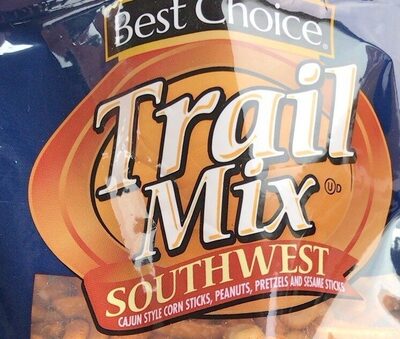
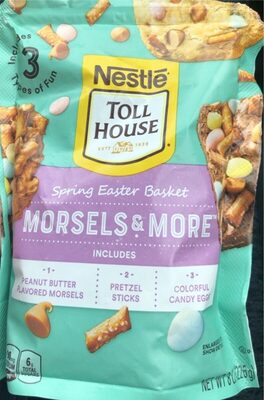
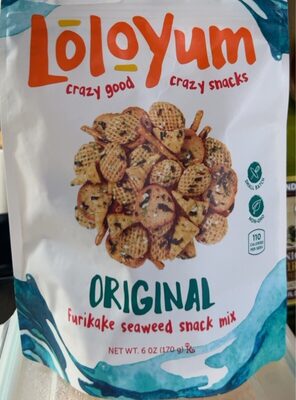
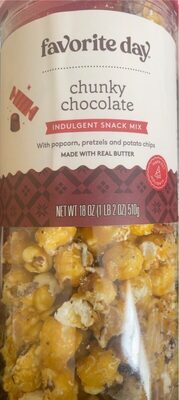
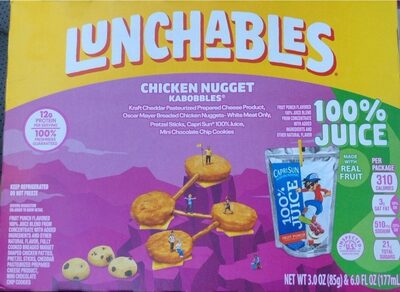
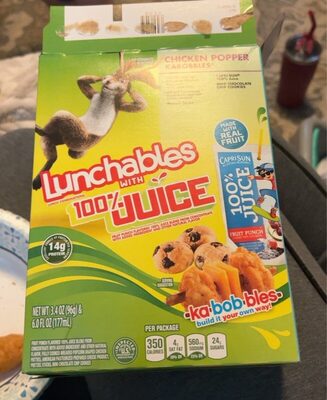
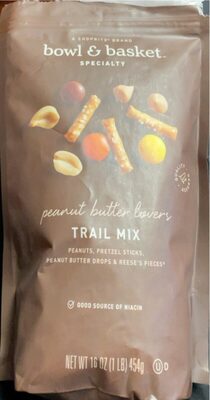
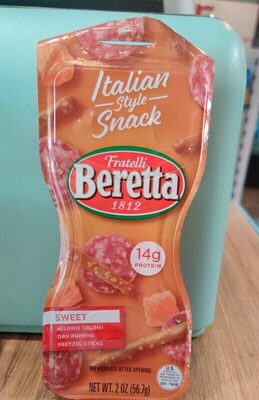
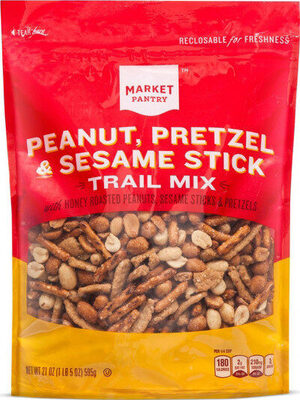
Foods that contain Pretzel Sticks
Compare products →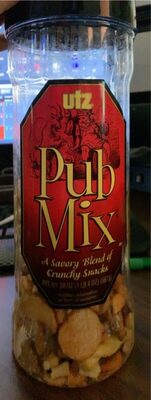
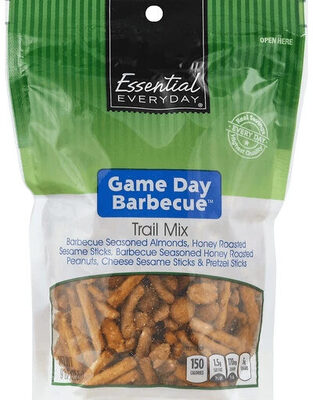
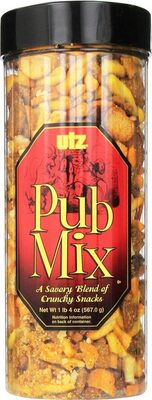
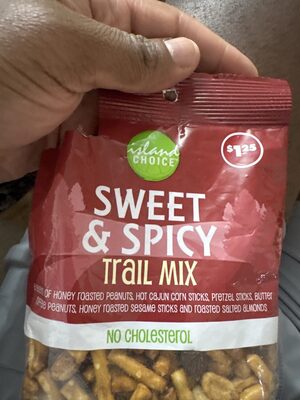
Learn more
Auto-generated content. This description was generated automatically and is pending editorial review. Inaccuracies are possible. Found a mistake? Contact us.