Processing Aid
What is Processing Aid?
A processing aid is a substance used during food processing to perform a specific technical function, but is not intended to remain in the final food product. It can be derived from natural sources like plants or animals, or synthesized. Processing aids are removed or inactivated before or during the manufacturing of the food.
Is Processing Aid gluten-free?
Gluten is not typically associated with processing aids.
Is Processing Aid a major allergen?
Processing aids are not typically major allergens themselves, but their source material could potentially be.
What is Processing Aid used for?
Manufacturers use processing aids to improve efficiency or the quality of the food.
Is Processing Aid safe?
In the U.S., processing aids are regulated by the FDA.
Why it's used
Manufacturers use processing aids to improve efficiency or the quality of the food. Examples include enzymes used to clarify juice or to help form cheese, or filtering agents used to remove impurities. They are found in a wide variety of processed foods.
Health notes
In the U.S., processing aids are regulated by the FDA. Many are considered Generally Recognized As Safe (GRAS) or are approved food additives. Because they are not intended to be present in the final product, they are generally not subject to the same safety evaluations as direct food additives. International bodies like JECFA have also evaluated many substances used as processing aids.
Allergen info
Processing aids are not typically major allergens themselves, but their source material could potentially be. For example, an enzyme derived from soy would not be considered a processing aid allergen unless soy protein remained in the final product. Gluten is not typically associated with processing aids.
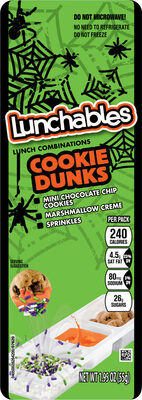
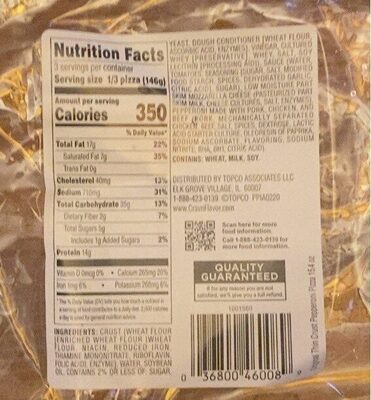
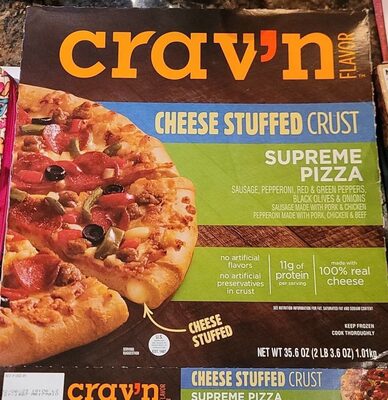
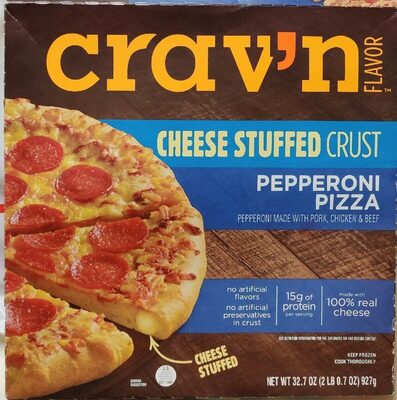
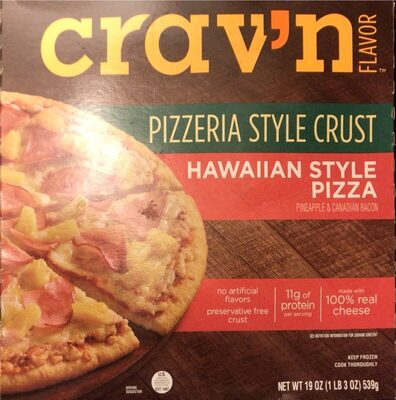
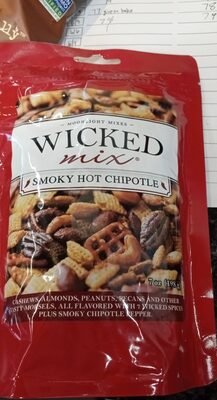
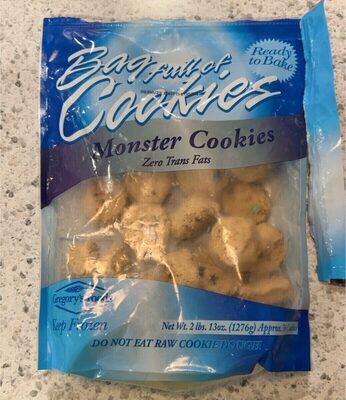
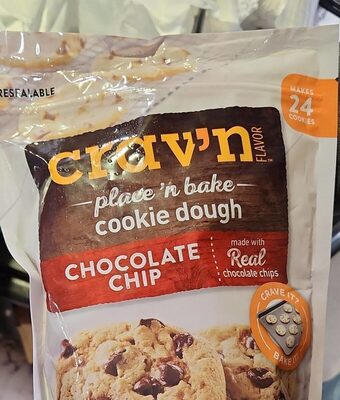
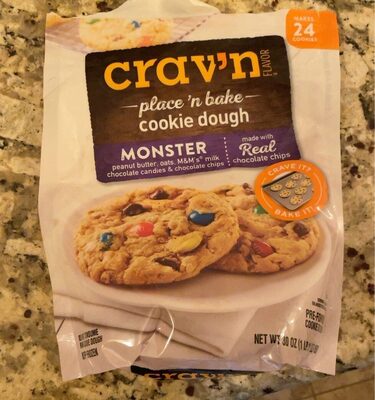
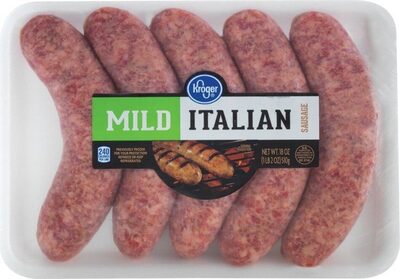
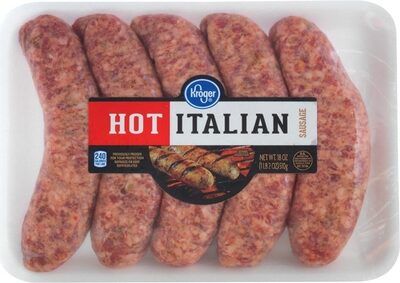
Foods that contain Processing Aid
Compare products →







Auto-generated content. This description was generated automatically and is pending editorial review. Inaccuracies are possible. Found a mistake? Contact us.