Propylene Glycol Esters Of Fatty Acids
What is Propylene Glycol Esters Of Fatty Acids?
Propylene glycol esters of fatty acids are made by reacting propylene glycol with fatty acids. Fatty acids are derived from animal or vegetable fats and oils. The resulting esters are typically liquids or semi-solids.
Is Propylene Glycol Esters Of Fatty Acids gluten-free?
It is not a source of gluten.
Is Propylene Glycol Esters Of Fatty Acids a major allergen?
Propylene glycol itself is not a major allergen.
What is Propylene Glycol Esters Of Fatty Acids used for?
These esters act as emulsifiers, helping to blend oil and water-based ingredients.
Is Propylene Glycol Esters Of Fatty Acids safe?
In the U.S., propylene glycol esters of fatty acids are generally recognized as safe (GRAS) by the FDA for use as food additives.
Why it's used
These esters act as emulsifiers, helping to blend oil and water-based ingredients. They can also improve texture and act as humectants, retaining moisture in foods. They are often found in baked goods, dairy products, and confectionery.
Health notes
In the U.S., propylene glycol esters of fatty acids are generally recognized as safe (GRAS) by the FDA for use as food additives. International bodies like JECFA and EFSA have also evaluated these substances. Studies using typical dietary intakes have not shown adverse health effects.
Allergen info
Propylene glycol itself is not a major allergen. However, the fatty acids used in its production can be derived from sources like soy or other allergens, so it's important to check specific product labeling if allergies are a concern. It is not a source of gluten.
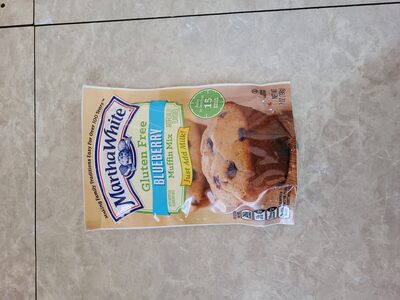
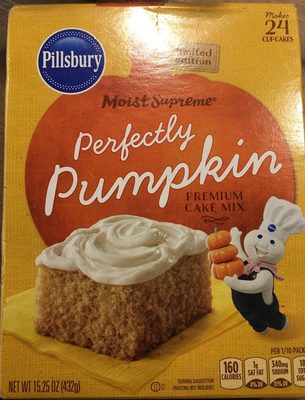
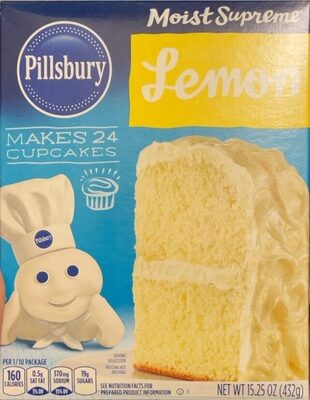
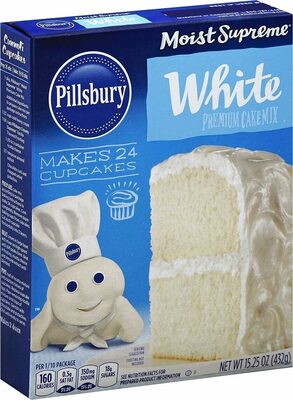
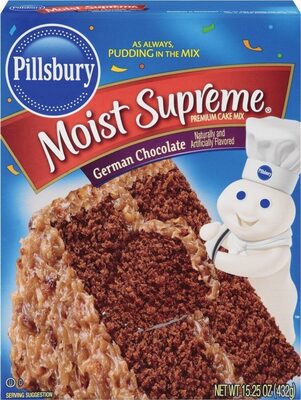
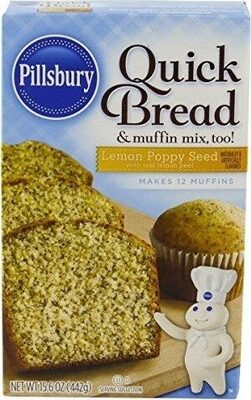
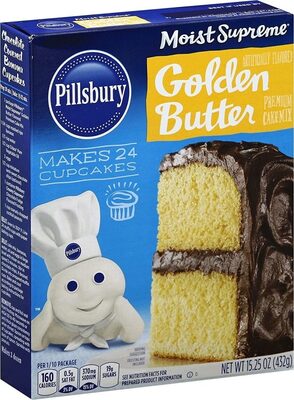
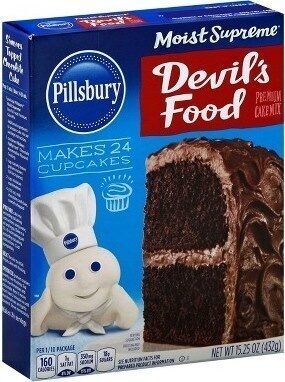
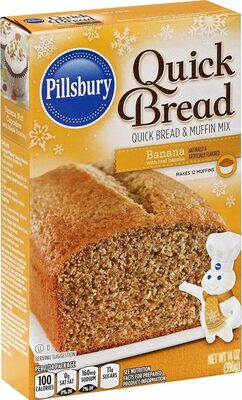
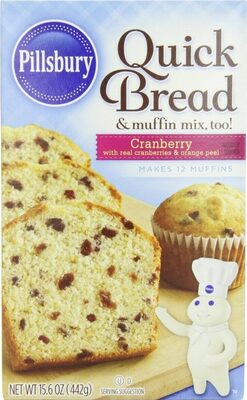
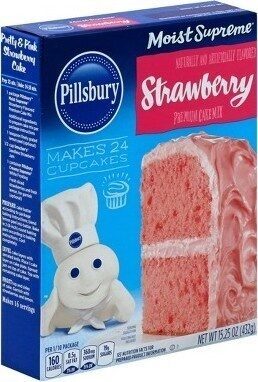
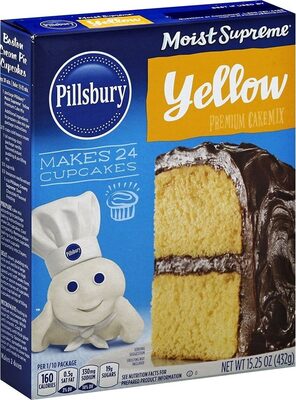
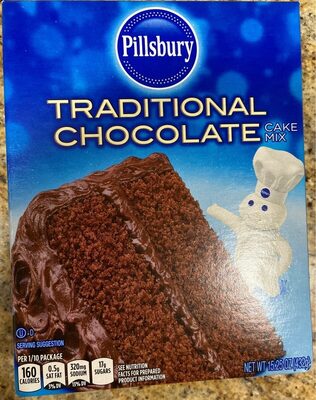
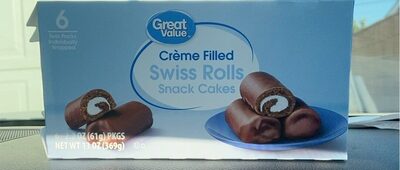
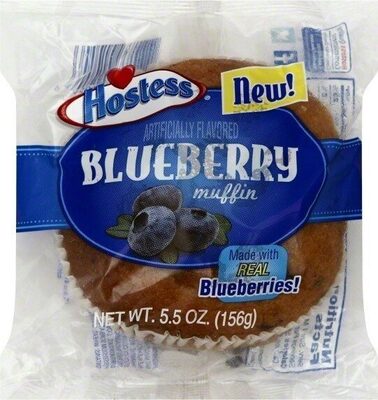
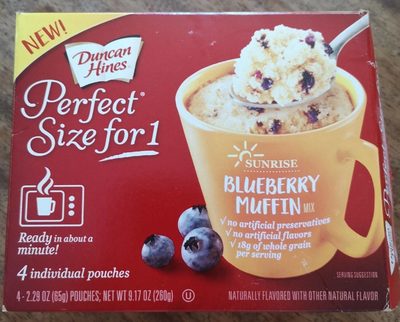
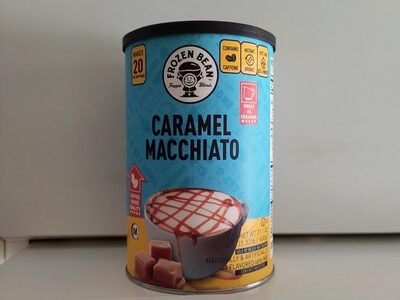
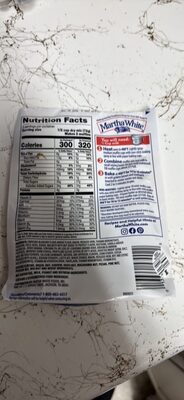
Foods that contain Propylene Glycol Esters Of Fatty Acids
Compare products →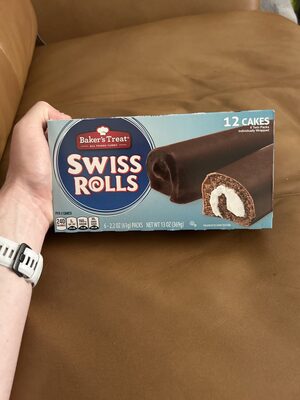
Learn more
Auto-generated content. This description was generated automatically and is pending editorial review. Inaccuracies are possible. Found a mistake? Contact us.