Prosciutto: Pork
What is Prosciutto: Pork?
Prosciutto is a dry-cured ham, typically made from pork leg. It is salt-cured and then aged for several months to a year or more. This process results in a thinly sliced, flavorful meat that is often eaten uncooked.
Is Prosciutto: Pork vegan?
No. Prosciutto: Pork is animal-derived, so it is not vegan.
Is Prosciutto: Pork gluten-free?
It does not contain gluten.
Is Prosciutto: Pork a major allergen?
Prosciutto is not derived from any of the nine FDA major allergens.
What is Prosciutto: Pork used for?
Prosciutto is primarily used to add a rich, savory flavor to a wide variety of dishes.
Is Prosciutto: Pork safe?
Prosciutto is a source of protein and is generally recognized as safe (GRAS) by the FDA when used as a food ingredient.
Why it's used
Prosciutto is primarily used to add a rich, savory flavor to a wide variety of dishes. It is commonly found in Italian cuisine, often served on charcuterie boards, in pasta dishes, on pizzas, or wrapped around other ingredients like melon or cheese.
Health notes
Prosciutto is a source of protein and is generally recognized as safe (GRAS) by the FDA when used as a food ingredient. Like other cured meats, it is high in sodium and can be a source of saturated fat. The World Health Organization (WHO) has classified processed meats as Group 1 carcinogens, meaning there is sufficient evidence that they cause cancer in humans, particularly colorectal cancer. However, the risk is associated with high consumption levels.
Allergen info
Prosciutto is not derived from any of the nine FDA major allergens. It does not contain gluten.
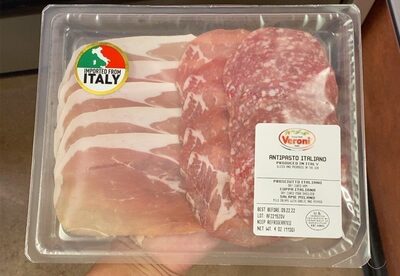
Foods that contain Prosciutto: Pork
Compare products →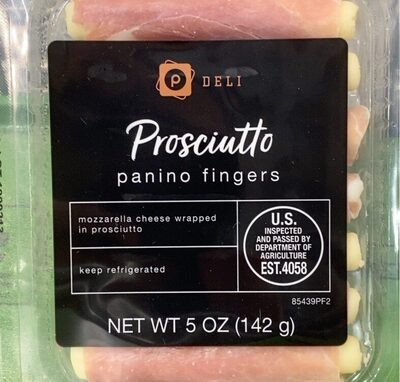
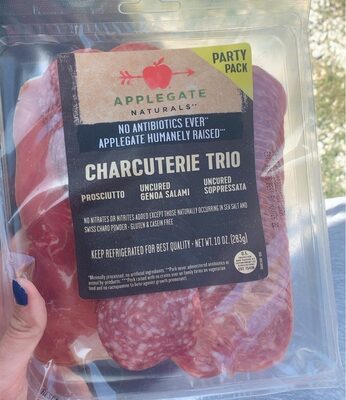
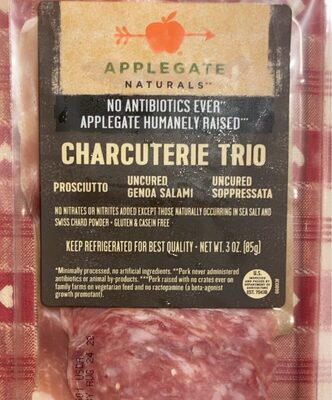
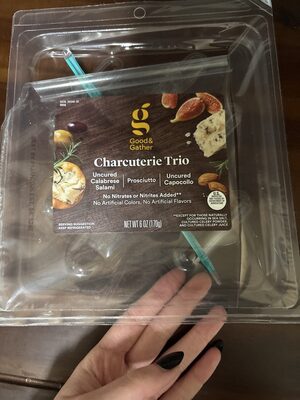
Learn more
Auto-generated content. This description was generated automatically and is pending editorial review. Inaccuracies are possible. Found a mistake? Contact us.