Pyridoxine Hydro-chloride
Auto-generated content. This description was generated automatically and is pending editorial review. Inaccuracies are possible. Found a mistake? Contact us.
What it is
Pyridoxine hydrochloride is a synthetic form of vitamin B6, one of the B vitamins essential for human health. It is typically manufactured through chemical synthesis and is a white crystalline powder. It is often used because it is more stable than other forms of vitamin B6.
Why it's used
Manufacturers add pyridoxine hydrochloride to fortify foods, meaning they add it to increase the nutritional value. It is commonly found in breakfast cereals, energy bars, and nutritional drinks. It helps the body convert food into energy.
Health notes
Pyridoxine hydrochloride is generally recognized as safe (GRAS) by the FDA when used as a nutrient. The European Food Safety Authority (EFSA) has also evaluated vitamin B6 and its derivatives. While vitamin B6 is essential for health, very high intakes from supplements have been linked to nerve damage in some studies. However, the amounts typically found in fortified foods are considered safe and beneficial.
Allergen info
Pyridoxine hydrochloride is not derived from any of the nine FDA major allergens and does not contain gluten.
Products containing Pyridoxine Hydro-chloride
Compare products →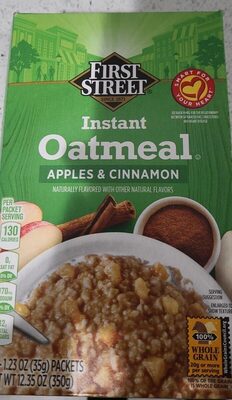 Smart & Final Iris Corporation
Apples & Cinnamon Instant Oatmeal, Apples & Cinnamon
371kcal
8.6Protein
4.3Fat
77.1Carbs
Smart & Final Iris Corporation
Apples & Cinnamon Instant Oatmeal, Apples & Cinnamon
371kcal
8.6Protein
4.3Fat
77.1Carbs
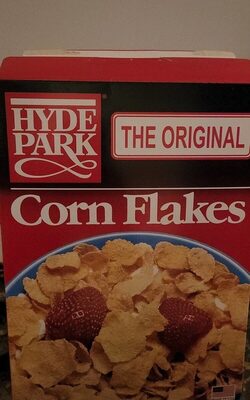 Gracie's Enterprises Ltd
Original Corn Flakes, Original
350kcal
5Protein
0Fat
75Carbs
Gracie's Enterprises Ltd
Original Corn Flakes, Original
350kcal
5Protein
0Fat
75Carbs
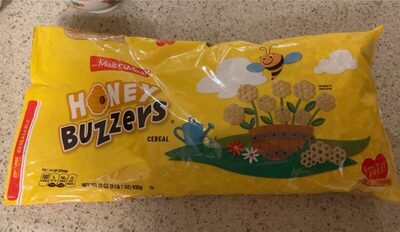 Post Consumer Brands, LLC
Sweetened Corn & Oat Cereal, Honey
379kcal
3.5Protein
1.7Fat
89.7Carbs
Post Consumer Brands, LLC
Sweetened Corn & Oat Cereal, Honey
379kcal
3.5Protein
1.7Fat
89.7Carbs