Raw Flax Seeds
Auto-generated content. This description was generated automatically and is pending editorial review. Inaccuracies are possible. Found a mistake? Contact us.
What it is
Flax seeds are small, nutrient-rich seeds that come from the flax plant (Linum usitatissimum). They are typically harvested and then can be sold whole, ground, or pressed for oil. The seeds are a good source of fiber, omega-3 fatty acids, and lignans.
Why it's used
Flax seeds are often added to foods for their nutritional benefits and texture. They are commonly found in cereals, baked goods, and granola bars. They can also be used as an egg substitute in vegan baking due to their gelling properties when mixed with water.
Health notes
Flax seeds are generally recognized as safe (GRAS) by the FDA for use in food. They are a good source of dietary fiber, which can aid digestion. Studies suggest that lignans, compounds found in flax seeds, may have antioxidant properties. The WHO and EFSA have not specifically evaluated flax seeds as a food additive, as they are considered a whole food.
Allergen info
Flax seeds are not one of the nine major allergens identified by the FDA. They do not contain gluten.
Products containing Raw Flax Seeds
Compare products →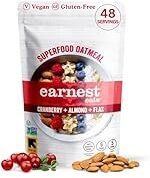 Annona Company LLC
Gluten-Free & Unsweetened! Cranberry + Almond + Flax Superfood Oatmeal, Cranberry + Almond + Flax
429kcal
14.3Protein
14.3Fat
61.9Carbs
Annona Company LLC
Gluten-Free & Unsweetened! Cranberry + Almond + Flax Superfood Oatmeal, Cranberry + Almond + Flax
429kcal
14.3Protein
14.3Fat
61.9Carbs