Raw Organic Whole Milk
Auto-generated content. This description was generated automatically and is pending editorial review. Inaccuracies are possible. Found a mistake? Contact us.
What it is
Raw organic whole milk is milk that has not been pasteurized (heat-treated to kill bacteria) and comes from cows raised according to organic farming standards. This means the cows are not given antibiotics or growth hormones, and they eat organic feed and have access to pasture.
Why it's used
In packaged foods, raw organic whole milk is primarily used as a foundational ingredient for making dairy products, most notably various types of cheese. Its unique microbial profile, which is preserved by not being pasteurized, is often valued for developing specific flavors and textures in artisanal cheeses.
Health notes
The FDA considers raw milk to be a potential source of harmful bacteria, such as Salmonella, E. coli, and Listeria, which can cause serious illness. For this reason, the FDA prohibits the interstate sale of raw milk for direct human consumption, though intrastate sales are regulated by individual states. JECFA and EFSA do not typically evaluate primary food ingredients like raw milk in the same way they assess food additives. The consumption of raw milk is controversial, with proponents claiming health benefits and opponents citing significant food safety risks due to the absence of pasteurization.
Allergen info
Milk is one of the nine major food allergens identified by the FDA.
Products containing Raw Organic Whole Milk
Compare products →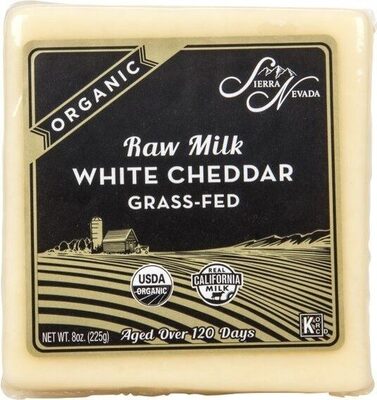 Sierra Nevada Cheese Co.
Organic Raw Milk White Cheddar Grass-Fed
High in saturated fat — 25% DV per serving
393kcal
21.4Protein
32.1Fat
3.6Carbs
Sierra Nevada Cheese Co.
Smoked Cheddar Organic Grass-Fed Raw Milk, Smoked Cheddar
High in saturated fat — 25% DV per serving
393kcal
0Protein
32.1Fat
3.6Carbs
Sierra Nevada Cheese Co.
Organic Raw Milk White Cheddar Grass-Fed
High in saturated fat — 25% DV per serving
393kcal
21.4Protein
32.1Fat
3.6Carbs
Sierra Nevada Cheese Co.
Smoked Cheddar Organic Grass-Fed Raw Milk, Smoked Cheddar
High in saturated fat — 25% DV per serving
393kcal
0Protein
32.1Fat
3.6Carbs