Red Beets
What is Red Beets?
Red beets are root vegetables, also known as beetroot, native to Europe and North Africa. They are typically grown for their edible taproot, which is deep red in color. The roots can be eaten raw, roasted, boiled, or pickled.
Is Red Beets vegan?
Red Beets is not animal-derived. Products that contain it can still include other animal-derived ingredients, so check the full ingredient list.
Is Red Beets gluten-free?
They do not contain gluten.
Is Red Beets a major allergen?
Red beets are not one of the nine major allergens identified by the FDA.
What is Red Beets used for?
Red beets are used as a natural food coloring, providing a vibrant red or pink hue to various products.
Is Red Beets safe?
Red beets are a source of vitamins, minerals, and dietary fiber.
Why it's used
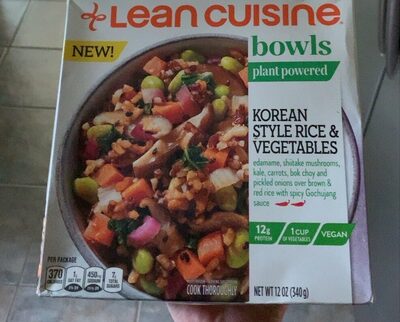
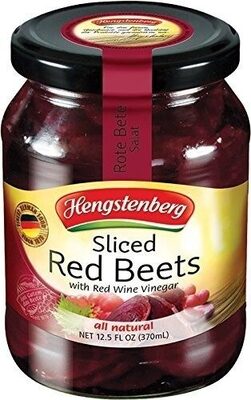
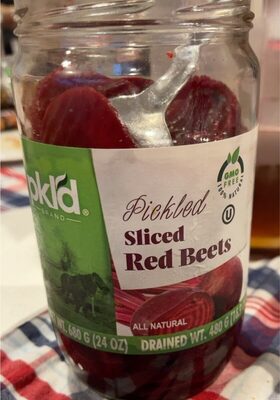
Red beets are used as a natural food coloring, providing a vibrant red or pink hue to various products. They can also add a slightly sweet and earthy flavor. You'll find them in items like pickled vegetables, relishes, veggie burgers, and some fermented foods.
Health notes
Red beets are a source of vitamins, minerals, and dietary fiber. They contain nitrates, which the body can convert to nitric oxide, a compound that may help relax blood vessels. The U.S. Food and Drug Administration (FDA) generally recognizes beets as safe (GRAS) when used for their intended purpose. International bodies like the European Food Safety Authority (EFSA) have evaluated beets and their components.
Allergen info
Red beets are not one of the nine major allergens identified by the FDA. They do not contain gluten.
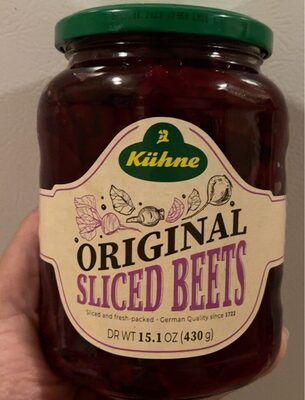
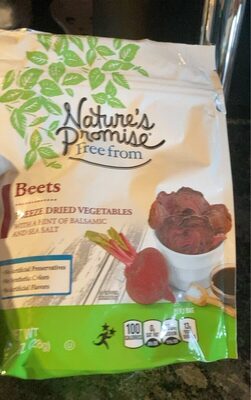
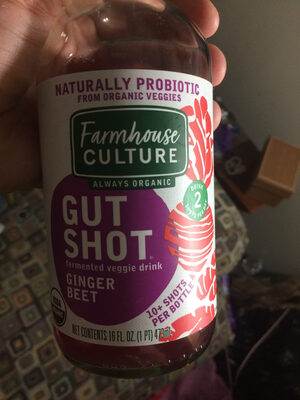
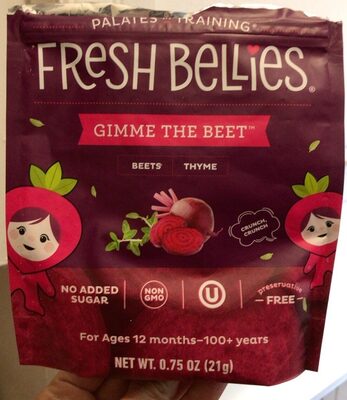
Foods that contain Red Beets
Compare products →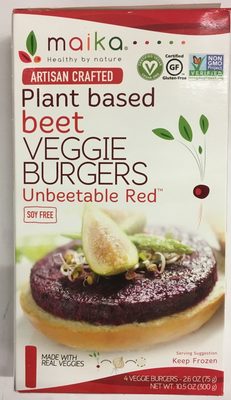
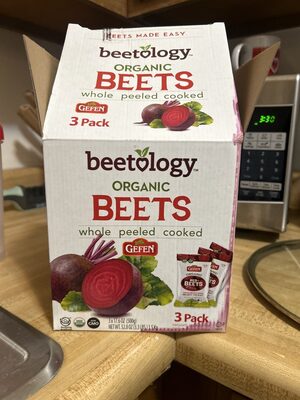
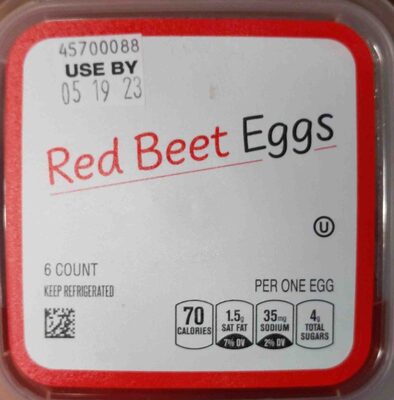
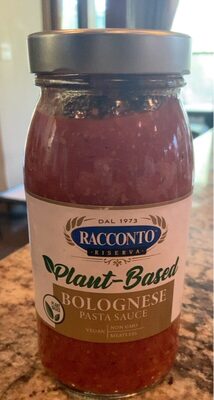


Auto-generated content. This description was generated automatically and is pending editorial review. Inaccuracies are possible. Found a mistake? Contact us.