Reduced Fat Milk
What is Reduced Fat Milk?
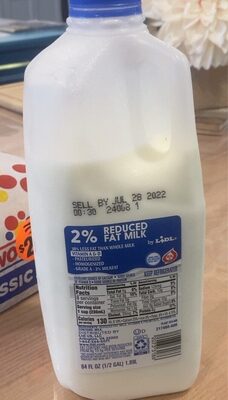
Reduced-fat milk is cow's milk from which some of the milk fat has been removed. It typically contains 2% milk fat by weight, compared to whole milk's 3.25%. This process involves centrifuging whole milk to separate the fat (cream) from the skim milk, then recombining them to achieve the desired fat percentage.
Is Reduced Fat Milk vegan?
No. Reduced Fat Milk is animal-derived, so it is not vegan.
Is Reduced Fat Milk a major allergen?
Milk is one of the nine major food allergens identified by the FDA.
What is Reduced Fat Milk used for?
Manufacturers use reduced-fat milk as a primary ingredient to provide a dairy base, creamy texture, and flavor in various food products.
Is Reduced Fat Milk safe?
Reduced-fat milk is a common food ingredient and is not regulated as a food additive by the FDA.
Why it's used
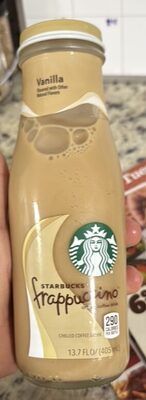
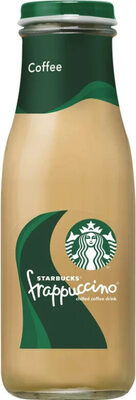
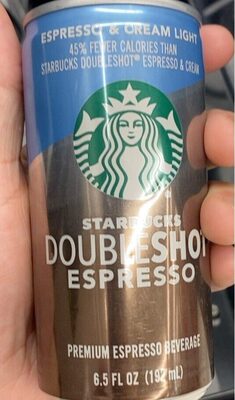
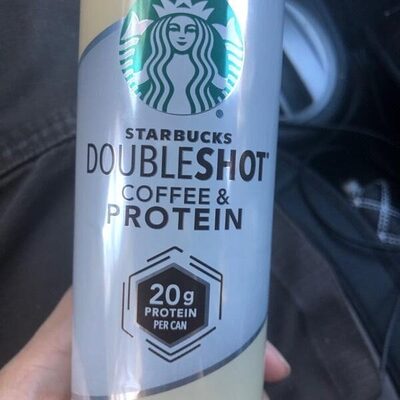
Manufacturers use reduced-fat milk as a primary ingredient to provide a dairy base, creamy texture, and flavor in various food products. It is commonly found in beverages like flavored milks and coffee drinks, as well as in dairy-based desserts, sauces, and some processed foods where a lower fat content is desired.
Health notes
Reduced-fat milk is a common food ingredient and is not regulated as a food additive by the FDA. It is a source of protein, calcium, and often fortified with vitamin D. The Dietary Guidelines for Americans (2025-2030) recommend choosing low-fat or fat-free dairy products as part of a healthy eating pattern. JECFA and EFSA typically evaluate food additives and contaminants, not basic food ingredients like milk.
Allergen info
Milk is one of the nine major food allergens identified by the FDA.
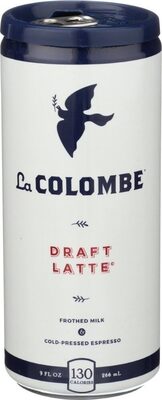
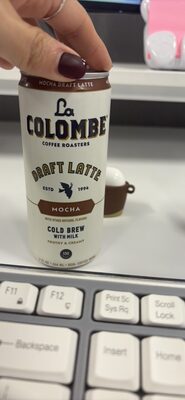
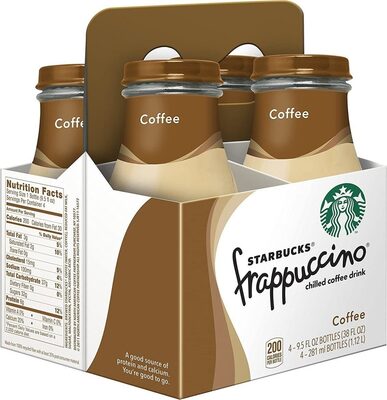
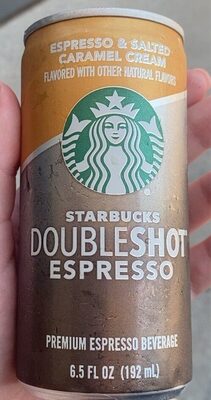
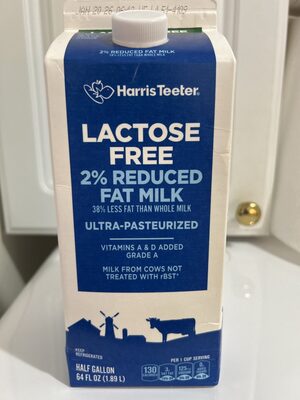
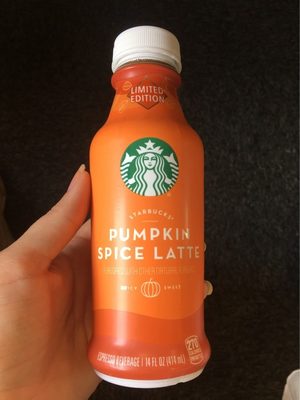
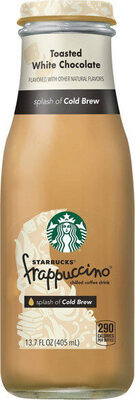
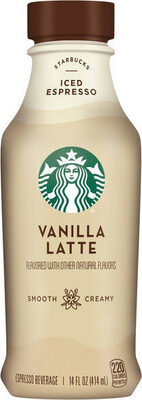
Foods that contain Reduced Fat Milk
Compare products →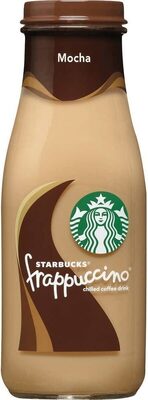
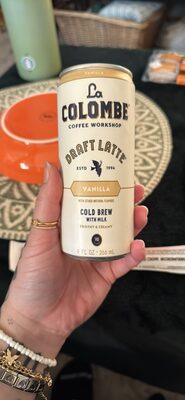
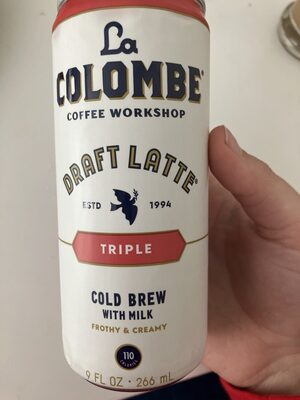
Learn more
Auto-generated content. This description was generated automatically and is pending editorial review. Inaccuracies are possible. Found a mistake? Contact us.