Rendered Turkey Fat
What is Rendered Turkey Fat?
Rendered turkey fat is the fat obtained from turkeys. It is produced by heating turkey tissue, typically from the skin and fat layers, to melt and separate the fat from the other tissues. The liquid fat is then clarified and purified.
Is Rendered Turkey Fat vegan?
No. Rendered Turkey Fat is animal-derived, so it is not vegan.
Is Rendered Turkey Fat gluten-free?
It does not contain gluten.
Is Rendered Turkey Fat a major allergen?
Rendered turkey fat is not derived from any of the nine FDA major allergens.
What is Rendered Turkey Fat used for?
Manufacturers use rendered turkey fat as a cooking fat and to add flavor and richness to foods.
Is Rendered Turkey Fat safe?
Rendered turkey fat is generally recognized as safe (GRAS) by the FDA when used as a food ingredient.
Why it's used
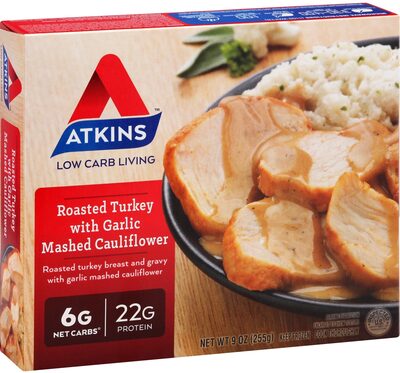
Manufacturers use rendered turkey fat as a cooking fat and to add flavor and richness to foods. It is commonly found in savory products like frozen dinners, gravies, and prepared sides, where its natural turkey flavor can enhance the overall taste profile.
Health notes
Rendered turkey fat is generally recognized as safe (GRAS) by the FDA when used as a food ingredient. It is a source of fat, including saturated and unsaturated fats. JECFA and EFSA have evaluated fats and oils, but specific evaluations for rendered turkey fat are not separately detailed. Like other fats, it contributes calories to the diet.
Allergen info
Rendered turkey fat is not derived from any of the nine FDA major allergens. It does not contain gluten.
Foods that contain Rendered Turkey Fat
Compare products →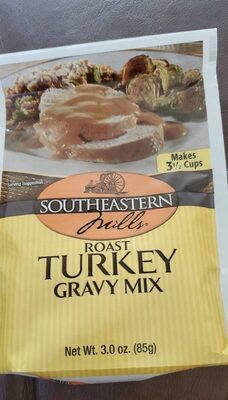
Learn more
Auto-generated content. This description was generated automatically and is pending editorial review. Inaccuracies are possible. Found a mistake? Contact us.