Rennet And Salt
Auto-generated content. This description was generated automatically and is pending editorial review. Inaccuracies are possible. Found a mistake? Contact us.
What it is
Rennet is a complex of enzymes used in cheesemaking. It is traditionally sourced from the stomach lining of young, unweaned calves. Modern rennet can also be produced through microbial fermentation or genetically engineered sources, often labeled as 'vegetarian rennet'.
Why it's used
Rennet's primary function is to coagulate milk proteins, forming curds that are essential for cheesemaking. It is a key ingredient in most traditional cheeses, including cheddar, mozzarella, and parmesan. Salt is added to cheese for flavor, preservation, and to control the texture and moisture content.
Health notes
Rennet and salt are generally recognized as safe when used in food. The FDA considers salt (sodium chloride) to be GRAS (Generally Recognized As Safe). Salt is essential for human health, but high intake is linked to increased blood pressure in some individuals. JECFA has evaluated salt and established guidance on its use. Rennet itself is not typically evaluated separately by food safety bodies as it is a processing aid that is largely removed with the whey.
Allergen info
Rennet derived from animal sources is not a major allergen. Salt is not a major allergen. Gluten is not present.
Products containing Rennet And Salt
Compare products → Gotera, Inc.
Sugar Cane Corn Crackers, Sugar Cane Corn
227kcal
9.1Protein
6.8Fat
36.4Carbs
Gotera, Inc.
Sugar Cane Corn Crackers, Sugar Cane Corn
227kcal
9.1Protein
6.8Fat
36.4Carbs
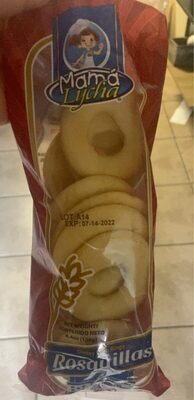 Gotera, Inc.
Cheesy Corn Rings, Cheesy Corn
—kcal
9.5Protein
9.5Fat
19.1Carbs
Gotera, Inc.
Cheesy Corn Rings, Cheesy Corn
—kcal
9.5Protein
9.5Fat
19.1Carbs