Rennet Water
What is Rennet Water?
Rennet water is a liquid solution used in cheesemaking. It is made by dissolving rennet, an enzyme complex traditionally derived from the stomach lining of young, unweaned calves, in water. Today, microbial or fermentation-produced chymosin (FPC) are also common sources for rennet, which can be used in a water solution.
Is Rennet Water vegan?
No. Rennet Water is animal-derived, so it is not vegan.
Is Rennet Water a major allergen?
Rennet itself is not one of the nine major allergens.
What is Rennet Water used for?
Rennet water is primarily used as a coagulant in the production of cheese.
Is Rennet Water safe?
Rennet is generally recognized as safe (GRAS) by the FDA for use in food.
Why it's used
Rennet water is primarily used as a coagulant in the production of cheese. The enzymes in rennet cause milk proteins to clump together, forming curds that are then separated from the whey. It is essential for creating the texture and structure of most types of cheese.
Health notes
Rennet is generally recognized as safe (GRAS) by the FDA for use in food. It is a natural enzyme complex and is typically present in very small amounts in the final cheese product. International bodies like JECFA have evaluated rennet and its components. No significant health concerns are associated with its consumption at typical levels found in cheese.
Allergen info
Rennet itself is not one of the nine major allergens. However, traditional rennet is derived from animal stomachs, which may be a concern for some dietary restrictions. If derived from calf stomachs, it would not contain milk protein, but cross-contamination is a possibility in some production facilities.
Foods that contain Rennet Water
Compare products →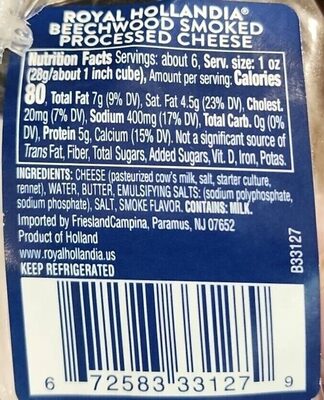
Learn more
Auto-generated content. This description was generated automatically and is pending editorial review. Inaccuracies are possible. Found a mistake? Contact us.