Retinyl Acetate
What is Retinyl Acetate?
Retinyl acetate is a synthetic form of vitamin A, an essential nutrient for vision, immune function, and cell growth. It is typically made by combining retinol (vitamin A) with acetic acid.
Is Retinyl Acetate vegan?
Retinyl Acetate is not animal-derived. Products that contain it can still include other animal-derived ingredients, so check the full ingredient list.
Is Retinyl Acetate gluten-free?
It does not contain gluten.
Is Retinyl Acetate a major allergen?
Retinyl acetate is not derived from any of the 9 FDA major allergens.
What is Retinyl Acetate used for?
Manufacturers add retinyl acetate to foods as a nutrient to fortify them with vitamin A.
Is Retinyl Acetate safe?
Retinyl acetate is generally recognized as safe (GRAS) by the FDA when used as a nutrient.
Why it's used
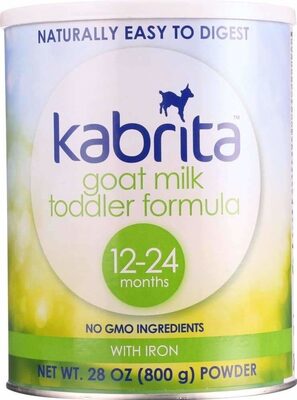
Manufacturers add retinyl acetate to foods as a nutrient to fortify them with vitamin A. It is commonly found in breakfast cereals, infant formulas, and other fortified foods where vitamin A enrichment is desired.
Health notes
Retinyl acetate is generally recognized as safe (GRAS) by the FDA when used as a nutrient. Vitamin A is crucial for health, but excessive intake can lead to toxicity. JECFA and EFSA have evaluated vitamin A and its derivatives, establishing guidelines for safe consumption. Evidence does not suggest adverse effects from typical dietary intakes of fortified foods.
Allergen info
Retinyl acetate is not derived from any of the 9 FDA major allergens. It does not contain gluten.
Foods that contain Retinyl Acetate
Compare products →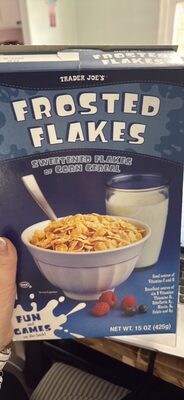
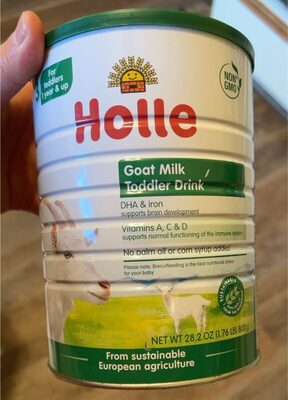 Holle
Goat Milk Stage 3 For Toddlers 1 Year & Up Toddler Drink
523kcal
11.6Protein
26.2Fat
58.1Carbs
Learn more
Auto-generated content. This description was generated automatically and is pending editorial review. Inaccuracies are possible. Found a mistake? Contact us.