Retinyl Palmitate
What is Retinyl Palmitate?
Retinyl palmitate is a form of vitamin A, which is essential for vision, immune function, and skin health. It is made by combining retinol (vitamin A) with palmitic acid, a fatty acid found in palm oil and animal fats. It is often produced synthetically.
Is Retinyl Palmitate gluten-free?
It does not contain gluten.
Is Retinyl Palmitate a major allergen?
Retinyl palmitate is not derived from any of the nine major allergens recognized by the FDA.
What is Retinyl Palmitate used for?
Manufacturers add retinyl palmitate to foods as a source of vitamin A, a process called fortification.
Is Retinyl Palmitate safe?
In the U.S., retinyl palmitate is generally recognized as safe (GRAS) by the FDA when used as a nutrient supplement.
Why it's used
Manufacturers add retinyl palmitate to foods as a source of vitamin A, a process called fortification. It is commonly found in fortified dairy products like milk and cheese, as well as in cereals, margarine, and infant formulas. Its fat-soluble nature helps it blend well into these types of foods.
Health notes
In the U.S., retinyl palmitate is generally recognized as safe (GRAS) by the FDA when used as a nutrient supplement. Vitamin A is crucial for health, but very high intakes can be toxic. JECFA and EFSA have evaluated vitamin A and its derivatives, establishing acceptable daily intakes. Regulatory bodies monitor the levels of vitamin A in fortified foods to prevent excessive consumption.
Allergen info
Retinyl palmitate is not derived from any of the nine major allergens recognized by the FDA. It does not contain gluten.
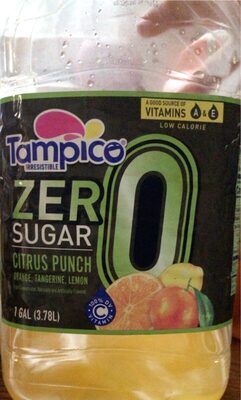
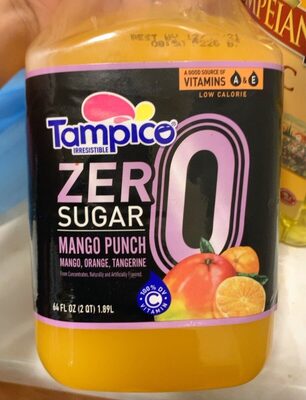
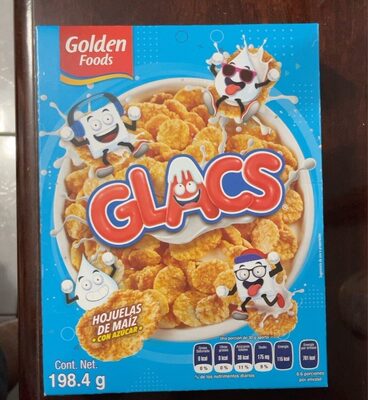
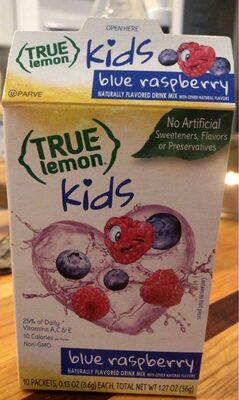
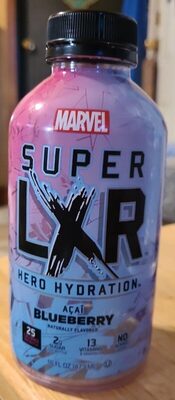
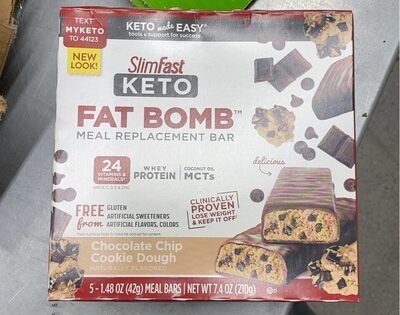
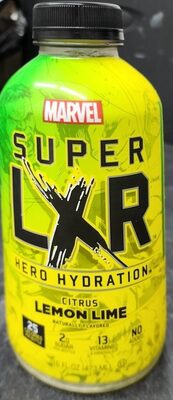
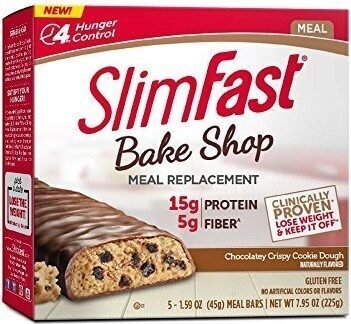
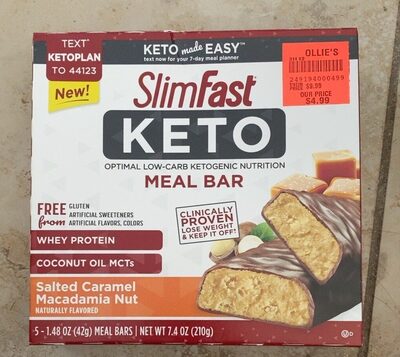
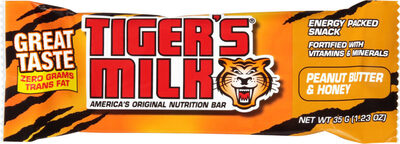
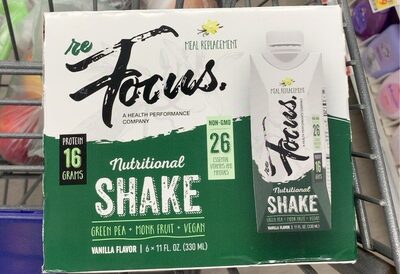
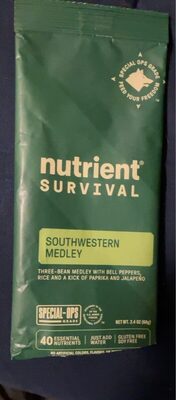
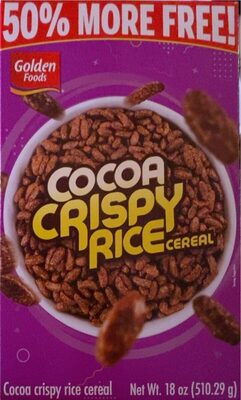
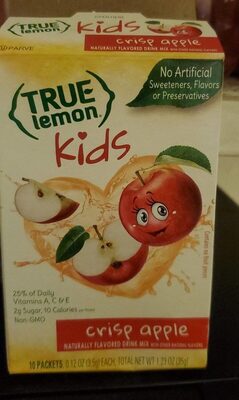
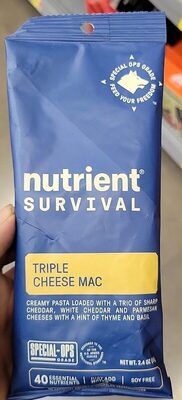
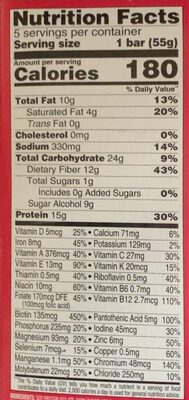
Foods that contain Retinyl Palmitate
Compare products →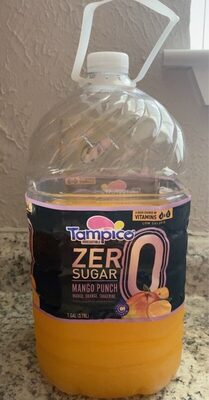



Learn more
Auto-generated content. This description was generated automatically and is pending editorial review. Inaccuracies are possible. Found a mistake? Contact us.