Rice Crust
What is Rice Crust?
Rice crust is a coating made from ground rice, often combined with other ingredients like starches, flours, and seasonings. It is typically applied to foods like fish, chicken, or vegetables before cooking to create a crispy texture.
Is Rice Crust vegan?
Rice Crust is not animal-derived. Products that contain it can still include other animal-derived ingredients, so check the full ingredient list.
Is Rice Crust gluten-free?
Gluten is also not typically present in rice crust, making it a suitable option for those with wheat allergies or celiac disease.
Is Rice Crust a major allergen?
Rice is not one of the nine major allergens identified by the FDA.
What is Rice Crust used for?
Manufacturers use rice crust as a coating to provide a crunchy texture and a savory flavor to processed foods.
Is Rice Crust safe?
Rice crust itself is generally considered safe for consumption as it is made from rice, a common food staple.
Why it's used
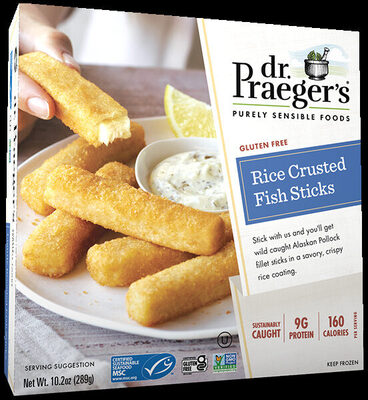
Manufacturers use rice crust as a coating to provide a crunchy texture and a savory flavor to processed foods. It is commonly found in frozen appetizers, seafood products, and vegetarian alternatives.
Health notes
Rice crust itself is generally considered safe for consumption as it is made from rice, a common food staple. Regulatory bodies like the FDA have not raised specific concerns about rice crust as a food ingredient. While rice is a source of carbohydrates, typical consumption within a balanced diet is not associated with adverse health effects. JECFA and EFSA have evaluated many rice-derived ingredients, and generally consider them safe.
Allergen info
Rice is not one of the nine major allergens identified by the FDA. Gluten is also not typically present in rice crust, making it a suitable option for those with wheat allergies or celiac disease.
Foods that contain Rice Crust
Compare products →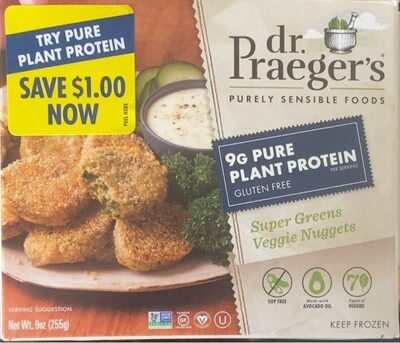 Dr. Praeger'S
Super Greens Veggie Nuggets, Super Greens Veggie
212kcal
10.6Protein
10.6Fat
18.8Carbs
Learn more
Auto-generated content. This description was generated automatically and is pending editorial review. Inaccuracies are possible. Found a mistake? Contact us.