Rice Hulls
What is Rice Hulls?
Rice hulls are the protective outer layers of the rice grain. They are removed from brown rice during the milling process. Hulls are typically considered a byproduct and are often used for animal feed or as a source of fiber.
Is Rice Hulls vegan?
Rice Hulls is not animal-derived. Products that contain it can still include other animal-derived ingredients, so check the full ingredient list.
Is Rice Hulls gluten-free?
They do not contain gluten.
Is Rice Hulls a major allergen?
Rice hulls are not derived from any of the 9 FDA major allergens.
What is Rice Hulls used for?
Rice hulls are sometimes used as an anti-caking agent in powdered food products, helping to prevent clumping.
Is Rice Hulls safe?
In the US, rice hulls are generally recognized as safe (GRAS) by the FDA when used as intended.
Why it's used
Rice hulls are sometimes used as an anti-caking agent in powdered food products, helping to prevent clumping. They can also be used as a source of dietary fiber in certain food applications. You might find them in spice blends or as a processing aid.
Health notes
In the US, rice hulls are generally recognized as safe (GRAS) by the FDA when used as intended. They are primarily composed of fiber and are not typically associated with significant health effects at the levels found in food. International bodies like JECFA have evaluated similar fibrous materials, but specific evaluations for rice hulls may vary.
Allergen info
Rice hulls are not derived from any of the 9 FDA major allergens. They do not contain gluten.
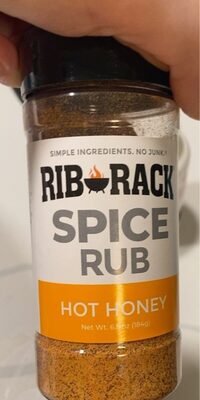
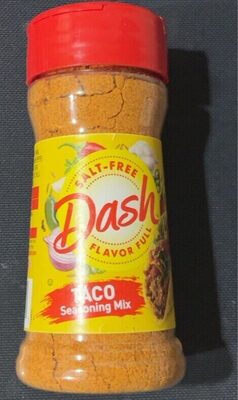
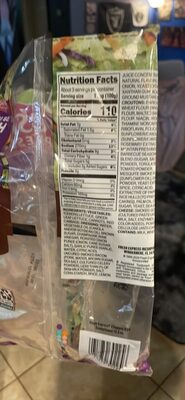
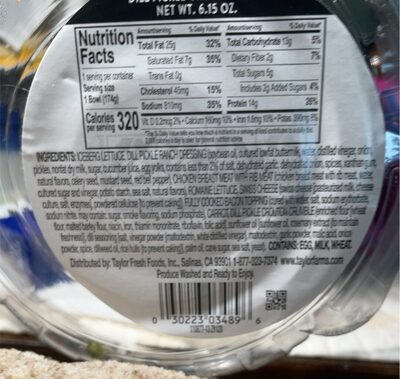
Foods that contain Rice Hulls
Compare products →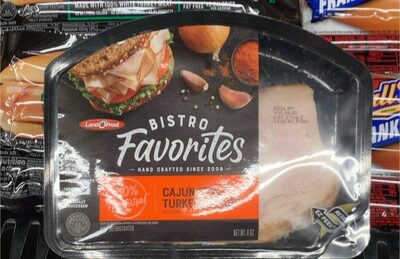
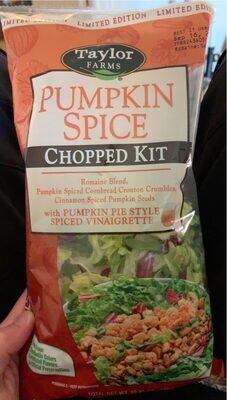
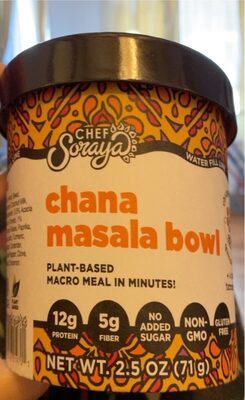
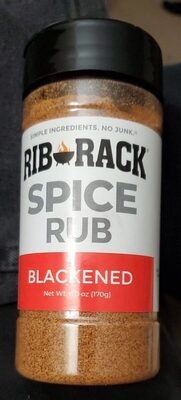
Auto-generated content. This description was generated automatically and is pending editorial review. Inaccuracies are possible. Found a mistake? Contact us.