Roasted Pork
What is Roasted Pork?
Roasted pork is pork that has been cooked by dry heat, usually in an oven. It can be made from various cuts of pork, such as the loin, shoulder, or belly. The roasting process gives the meat a browned exterior and tender interior.
Is Roasted Pork vegan?
No. Roasted Pork is animal-derived, so it is not vegan.
Is Roasted Pork gluten-free?
It does not contain gluten.
Is Roasted Pork a major allergen?
Pork is not one of the nine major allergens identified by the FDA.
What is Roasted Pork used for?
Manufacturers add roasted pork to foods to provide a savory meat flavor and texture.
Is Roasted Pork safe?
Roasted pork is a source of protein, B vitamins, and minerals.
Why it's used
Manufacturers add roasted pork to foods to provide a savory meat flavor and texture. It is commonly found in canned dishes like baked beans and chili, as well as in pasta dishes, gravies, and soups. It acts as a primary protein source and flavor enhancer.
Health notes
Roasted pork is a source of protein, B vitamins, and minerals. The U.S. Food and Drug Administration (FDA) considers pork to be generally recognized as safe (GRAS) when used as food. Regulatory bodies like the Joint FAO/WHO Expert Committee on Food Additives (JECFA) have evaluated pork and related compounds. Typical consumption of roasted pork as part of a balanced diet is not associated with adverse health effects.
Allergen info
Pork is not one of the nine major allergens identified by the FDA. It does not contain gluten.
Foods that contain Roasted Pork
Compare products →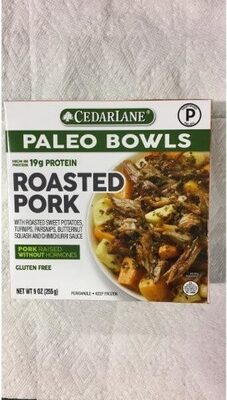
Learn more
Auto-generated content. This description was generated automatically and is pending editorial review. Inaccuracies are possible. Found a mistake? Contact us.