Rooibos
What is Rooibos?
Rooibos, also known as red bush tea, is a plant native to South Africa. The leaves are oxidized, which gives the tea its reddish-brown color and slightly sweet, nutty flavor. It is typically brewed into a tea but can also be used as an ingredient in other food products.
Is Rooibos vegan?
Rooibos is not animal-derived. Products that contain it can still include other animal-derived ingredients, so check the full ingredient list.
Is Rooibos gluten-free?
It does not contain gluten.
Is Rooibos a major allergen?
Rooibos is not derived from any of the nine FDA major allergens.
What is Rooibos used for?
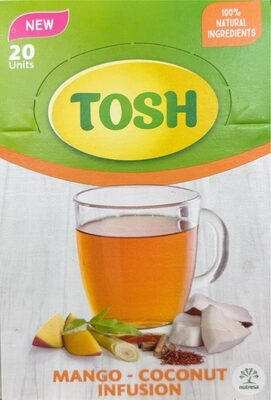
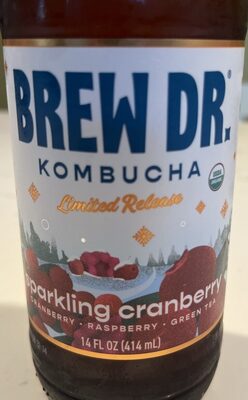
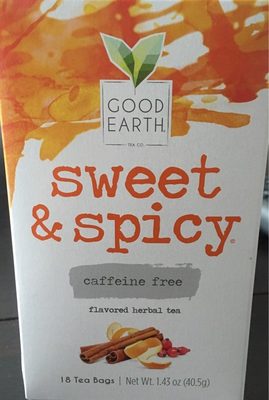
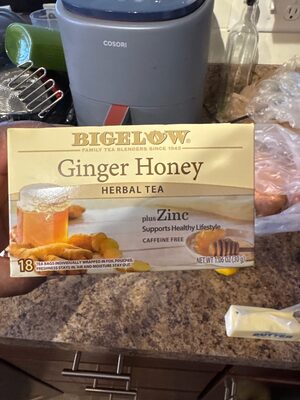
Rooibos is often used to add a unique flavor to beverages, such as teas, kombucha, and powdered drink mixes.
Is Rooibos safe?
Rooibos is generally recognized as safe (GRAS) by the FDA for use in food.
Why it's used
Rooibos is often used to add a unique flavor to beverages, such as teas, kombucha, and powdered drink mixes. Its natural sweetness and pleasant aroma make it a popular choice for herbal infusions and flavored drinks. It can also be found in baked goods and desserts.
Health notes
Rooibos is generally recognized as safe (GRAS) by the FDA for use in food. It is a source of antioxidants, though research on specific health benefits is ongoing. International bodies like EFSA have not specifically evaluated rooibos for food additive purposes. At typical consumption levels, it is not associated with adverse health effects.
Allergen info
Rooibos is not derived from any of the nine FDA major allergens. It does not contain gluten.
Foods that contain Rooibos
Compare products →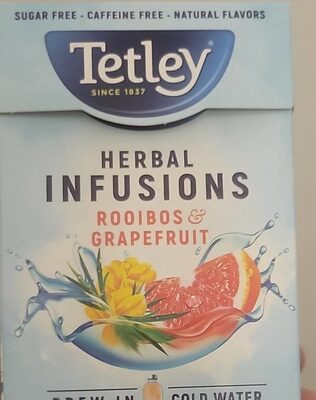
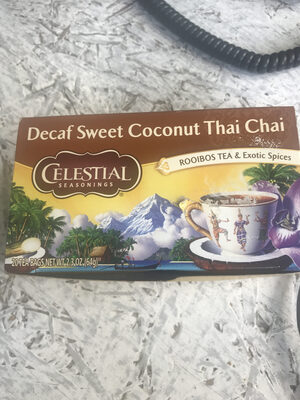

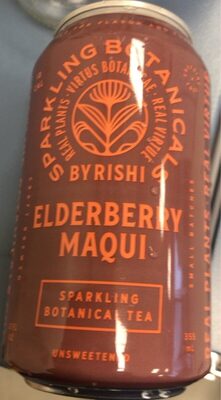
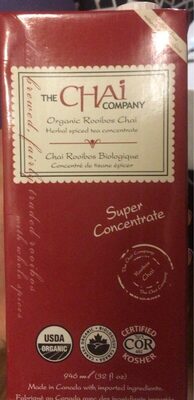
Auto-generated content. This description was generated automatically and is pending editorial review. Inaccuracies are possible. Found a mistake? Contact us.