Rye Sour
What is Rye Sour?
Rye sour, also called rye sourdough starter, is a fermented mixture of rye flour and water. It contains wild yeast and bacteria that naturally occur in the flour and environment. This mixture is used to leaven and flavor rye bread.
Is Rye Sour vegan?
Rye Sour is not animal-derived. Products that contain it can still include other animal-derived ingredients, so check the full ingredient list.
Is Rye Sour gluten-free?
While not one of the FDA's top 9 major allergens, rye contains gluten and is not suitable for individuals with celiac disease or gluten sensitivity.
Is Rye Sour a major allergen?
Rye sour is derived from rye, which is a grain.
What is Rye Sour used for?
Rye sour is primarily used as a leavening agent and flavor enhancer in rye bread and other baked goods.
Is Rye Sour safe?
Rye sour is considered a natural ingredient used in traditional baking.
Why it's used
Rye sour is primarily used as a leavening agent and flavor enhancer in rye bread and other baked goods. The fermentation process produces acids that give sourdough its characteristic tangy taste and also helps break down gluten, potentially making it easier to digest.
Health notes
Rye sour is considered a natural ingredient used in traditional baking. Regulatory bodies like the FDA do not typically evaluate specific fermentation starters like rye sour. Generally, the fermentation process can increase the bioavailability of some nutrients in grains. There are no widespread health concerns associated with the typical consumption of foods leavened with rye sour.
Allergen info
Rye sour is derived from rye, which is a grain. While not one of the FDA's top 9 major allergens, rye contains gluten and is not suitable for individuals with celiac disease or gluten sensitivity.
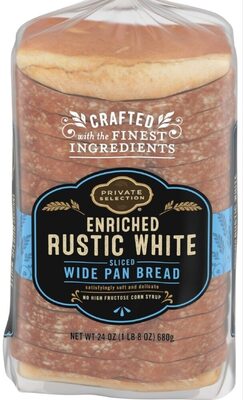
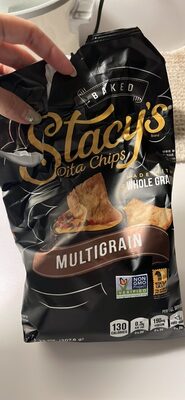
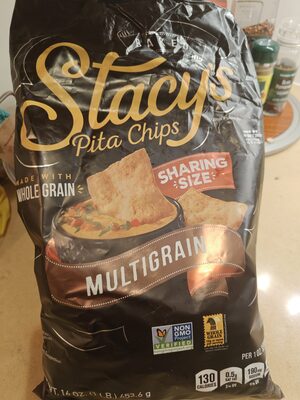
Foods that contain Rye Sour
Compare products →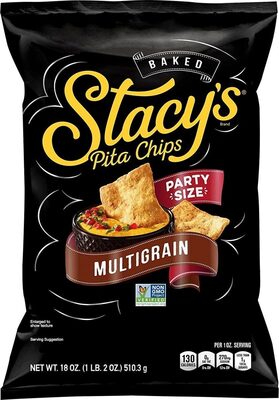


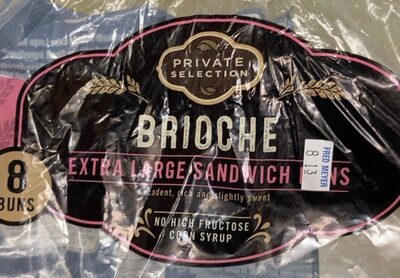
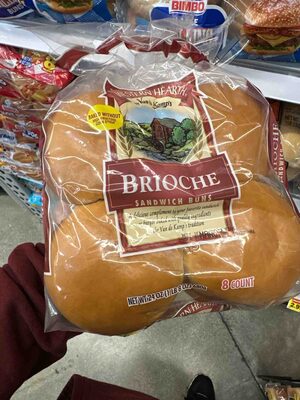


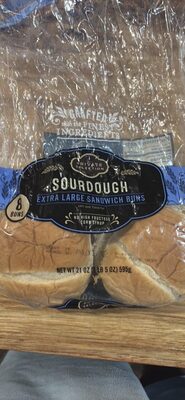

Learn more
Auto-generated content. This description was generated automatically and is pending editorial review. Inaccuracies are possible. Found a mistake? Contact us.