Safflower And Or Sunflower Oils
Auto-generated content. This description was generated automatically and is pending editorial review. Inaccuracies are possible. Found a mistake? Contact us.
What it is
Safflower oil is extracted from the seeds of the safflower plant, and sunflower oil comes from sunflower seeds. Both are vegetable oils commonly used in cooking. They are typically refined to remove impurities and create a neutral flavor.
Why it's used
These oils are used as cooking oils and as ingredients in salad dressings, sauces, and baked goods. Manufacturers use them for their neutral flavor and smooth texture, which helps blend other ingredients together.
Health notes
Safflower and sunflower oils are generally recognized as safe (GRAS) by the FDA for use in food. They are sources of unsaturated fats, including omega-6 fatty acids. While omega-6s are essential, a high intake relative to omega-3s is a topic of ongoing dietary research, with some studies suggesting a link to inflammation, while others find no significant effect at typical dietary levels. JECFA and EFSA have evaluated vegetable oils, generally finding them safe for consumption.
Allergen info
Neither safflower oil nor sunflower oil are derived from the nine major allergens recognized by the FDA. They do not contain gluten.
Products containing Safflower And Or Sunflower Oils
Compare products →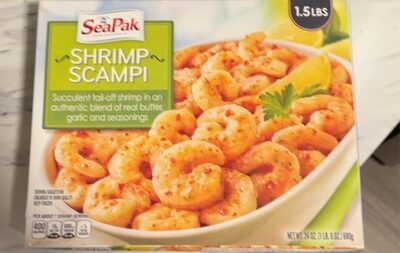 Rich Products Corporation
Shrimp Scampi Succulent Tail-Off Shrimp In An Authentic Blend Of Real Butter, Garlic And Seasonings, Shrimp Scampi
High in sodium — 23% DV per serving
High in saturated fat — 60% DV per serving
High in cholesterol — 37% DV per serving
283kcal
8.0Protein
27.4Fat
2.6Carbs
Rich Products Corporation
Shrimp Scampi
High in sodium — 22% DV per serving
High in saturated fat — 60% DV per serving
High in cholesterol — 40% DV per serving
301kcal
10.6Protein
27.4Fat
2.6Carbs
Rich Products Corporation
Shrimp Scampi Succulent Tail-Off Shrimp In An Authentic Blend Of Real Butter, Garlic And Seasonings, Shrimp Scampi
High in sodium — 23% DV per serving
High in saturated fat — 60% DV per serving
High in cholesterol — 37% DV per serving
283kcal
8.0Protein
27.4Fat
2.6Carbs
Rich Products Corporation
Shrimp Scampi
High in sodium — 22% DV per serving
High in saturated fat — 60% DV per serving
High in cholesterol — 40% DV per serving
301kcal
10.6Protein
27.4Fat
2.6Carbs