Safflower Oil
What is Safflower Oil?
Safflower oil is a vegetable oil extracted from the seeds of the safflower plant (*Carthamus tinctorius*). The seeds are typically pressed to extract the oil, which is then refined for use in food products. It is a liquid at room temperature and has a neutral flavor.
Is Safflower Oil vegan?
Safflower Oil is not animal-derived. Products that contain it can still include other animal-derived ingredients, so check the full ingredient list.
Is Safflower Oil gluten-free?
It does not contain gluten.
Is Safflower Oil a major allergen?
Safflower oil is not derived from any of the 9 FDA major allergens.
What is Safflower Oil used for?
Safflower oil is used as a cooking oil and as an ingredient in salad dressings, baked goods, and processed foods.
Is Safflower Oil safe?
Safflower oil is generally recognized as safe (GRAS) by the FDA for use in food.
Why it's used
Safflower oil is used as a cooking oil and as an ingredient in salad dressings, baked goods, and processed foods. Its neutral flavor and liquid consistency make it a versatile fat source for manufacturers. It can also be used in margarines and shortenings.
Health notes
Safflower oil is generally recognized as safe (GRAS) by the FDA for use in food. It is a source of polyunsaturated fatty acids, particularly linoleic acid (an omega-6 fatty acid). JECFA has evaluated safflower oil and established specifications for its identity and quality. Research on the health effects of dietary fats is ongoing, with a focus on cardiovascular health.
Allergen info
Safflower oil is not derived from any of the 9 FDA major allergens. It does not contain gluten.
Foods that contain Safflower Oil
Compare products →
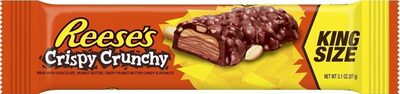


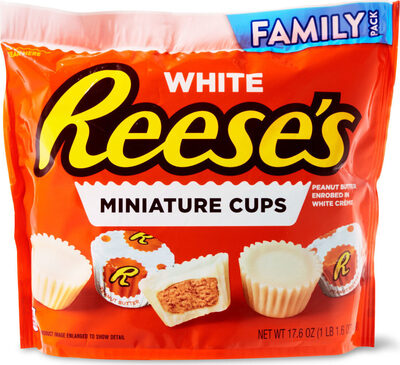
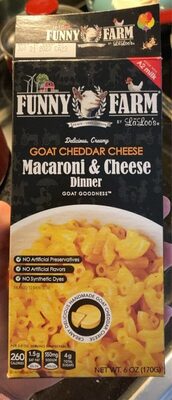



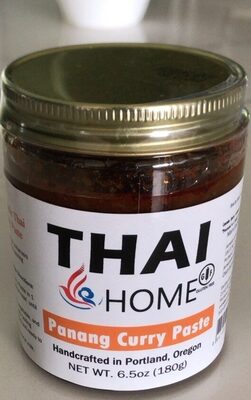




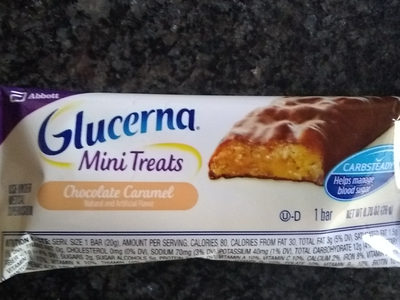
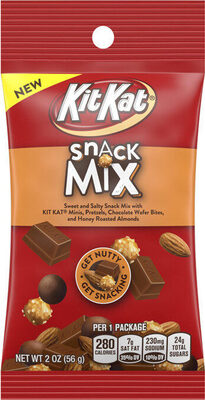

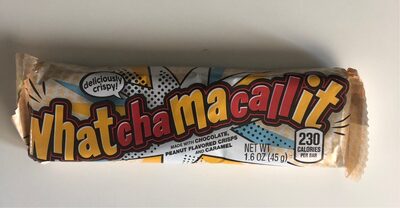


Learn more
Auto-generated content. This description was generated automatically and is pending editorial review. Inaccuracies are possible. Found a mistake? Contact us.