Safflower Sunflower Oil
What is Safflower Sunflower Oil?
Safflower oil is a vegetable oil extracted from the seeds of the safflower plant. The plant is native to parts of Asia and Africa. The seeds are typically pressed to extract the oil, which is then refined for use in food.
Is Safflower Sunflower Oil vegan?
Safflower Sunflower Oil is not animal-derived. Products that contain it can still include other animal-derived ingredients, so check the full ingredient list.
Is Safflower Sunflower Oil gluten-free?
It does not contain gluten.
Is Safflower Sunflower Oil a major allergen?
Safflower oil is not derived from any of the nine FDA major allergens.
What is Safflower Sunflower Oil used for?
Safflower oil is used as a cooking oil and as an ingredient in processed foods.
Is Safflower Sunflower Oil safe?
Safflower oil is generally recognized as safe (GRAS) by the FDA for use in food.
Why it's used
Safflower oil is used as a cooking oil and as an ingredient in processed foods. It is often chosen for its neutral flavor and high smoke point, making it suitable for frying and baking. It can also be found in salad dressings, sauces, and snack foods.
Health notes
Safflower oil is generally recognized as safe (GRAS) by the FDA for use in food. It is a source of unsaturated fats, including monounsaturated and polyunsaturated fatty acids. Some research suggests that consuming unsaturated fats as part of a balanced diet may have benefits for heart health, but evidence is mixed on specific effects of safflower oil. JECFA has evaluated safflower oil and did not set a numeric limit (ADI not specified).
Allergen info
Safflower oil is not derived from any of the nine FDA major allergens. It does not contain gluten.
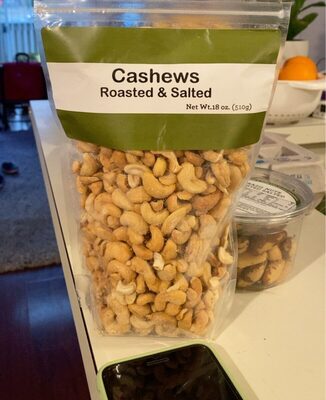
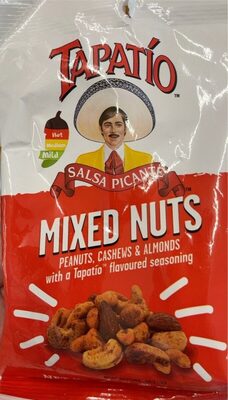
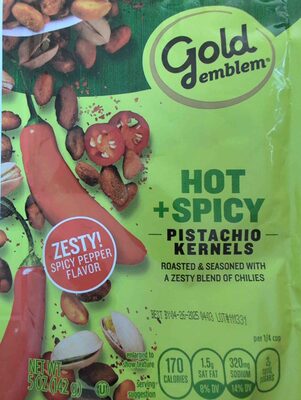
Foods that contain Safflower Sunflower Oil
Compare products →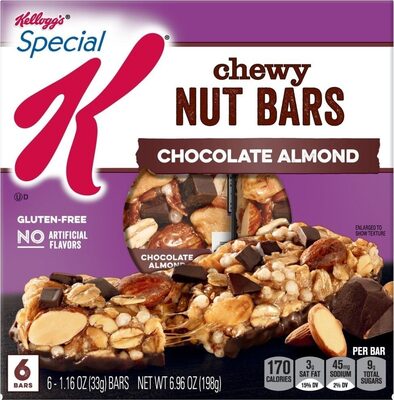
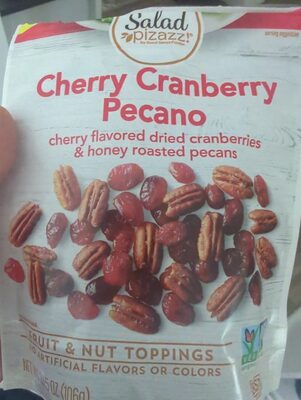

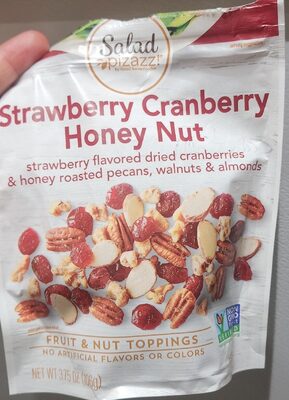
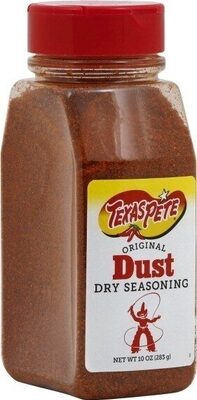

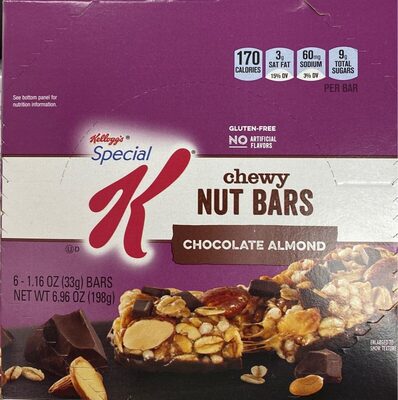
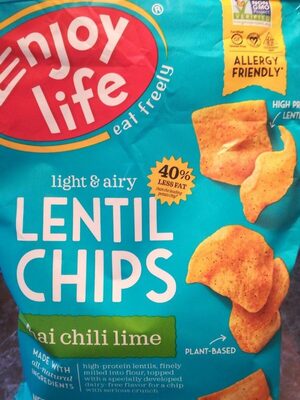

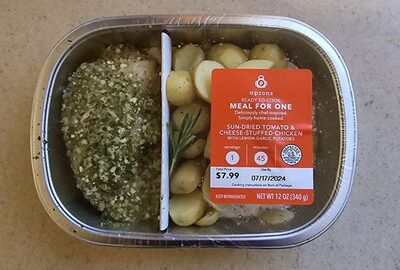
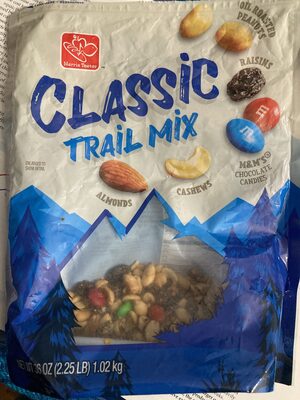






Learn more
Auto-generated content. This description was generated automatically and is pending editorial review. Inaccuracies are possible. Found a mistake? Contact us.