Sago Starch
What is Sago Starch?
Sago starch is a carbohydrate extracted from the pith of tropical palm trees, particularly the sago palm. The raw starch is processed and dried into small granules. It is a source of easily digestible carbohydrates.
Is Sago Starch vegan?
Sago Starch is not animal-derived. Products that contain it can still include other animal-derived ingredients, so check the full ingredient list.
Is Sago Starch gluten-free?
It is gluten-free.
Is Sago Starch a major allergen?
Sago starch is not derived from any of the nine major allergens.
What is Sago Starch used for?
Sago starch is used as a thickener and texturizer in foods, especially in puddings, desserts, and baked goods.
Is Sago Starch safe?
Sago starch is generally recognized as safe (GRAS) by the FDA for use in food.
Why it's used
Sago starch is used as a thickener and texturizer in foods, especially in puddings, desserts, and baked goods. Its fine granules create a smooth, glossy texture and can also be used as a binder or to improve the mouthfeel of various food products.
Health notes
Sago starch is generally recognized as safe (GRAS) by the FDA for use in food. It is primarily a source of carbohydrates and does not have specific health benefits or risks when consumed in typical amounts as part of a balanced diet. International bodies like JECFA and EFSA have evaluated sago starch, and it is considered safe for consumption.
Allergen info
Sago starch is not derived from any of the nine major allergens. It is gluten-free.
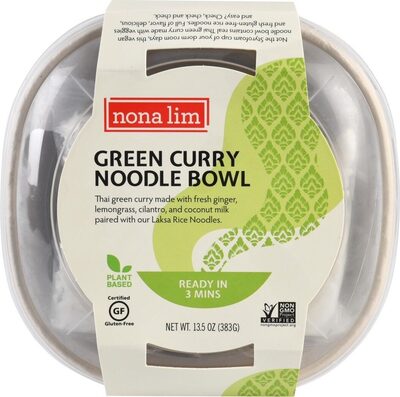
Foods that contain Sago Starch
Compare products →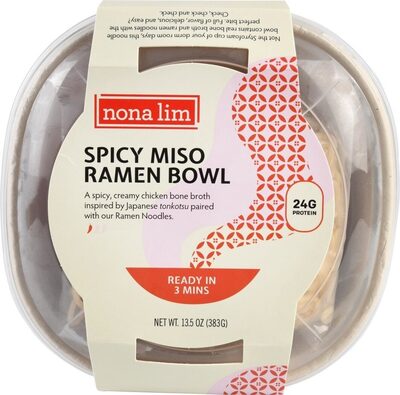


Learn more
Auto-generated content. This description was generated automatically and is pending editorial review. Inaccuracies are possible. Found a mistake? Contact us.