Salt And Natural Flavoring
Auto-generated content. This description was generated automatically and is pending editorial review. Inaccuracies are possible. Found a mistake? Contact us.
What it is
Salt is a mineral composed primarily of sodium chloride. Natural flavoring is a complex mixture of aromatic compounds derived from natural sources like fruits, vegetables, herbs, spices, or animal products. The exact composition is proprietary and varies by manufacturer.
Why it's used
Salt is used to enhance flavor and act as a preservative. Natural flavoring is added to provide or enhance specific tastes and aromas in a wide variety of processed foods, including soups, frozen meals, and deli items.
Health notes
Salt (sodium chloride) is essential for life, but high intake is linked to increased blood pressure in some individuals. The FDA considers salt a generally recognized as safe (GRAS) substance. The World Health Organization (WHO) recommends limiting sodium intake. JECFA has evaluated salt and set an acceptable daily intake. Natural flavoring is also generally recognized as safe by the FDA. Evidence does not link typical intake of natural flavoring to adverse health effects.
Allergen info
Salt is not a major allergen. Natural flavoring may be derived from major allergens, but manufacturers are not required to specify the source unless it is one of the top allergens and present in a significant amount.
Products containing Salt And Natural Flavoring
Compare products →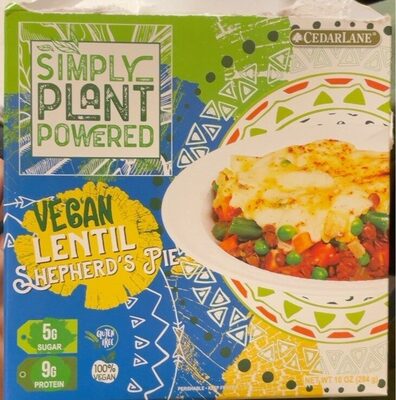 Cedarlane Natural Foods, Inc.
Lentil Vegan Shepherd's Pie, Lentil
High in sodium — 27% DV per serving
High in saturated fat — 22% DV per serving
102kcal
3.2Protein
3.9Fat
14.8Carbs
Cedarlane Natural Foods, Inc.
Cornbread Stuffing, Cornbread
High in sodium — 57% DV per serving
185kcal
4.5Protein
4.5Fat
31Carbs
Cedarlane Natural Foods, Inc.
Lentil Vegan Shepherd's Pie, Lentil
High in sodium — 27% DV per serving
High in saturated fat — 22% DV per serving
102kcal
3.2Protein
3.9Fat
14.8Carbs
Cedarlane Natural Foods, Inc.
Cornbread Stuffing, Cornbread
High in sodium — 57% DV per serving
185kcal
4.5Protein
4.5Fat
31Carbs