Salt And Sodium Phosphate
What is Salt And Sodium Phosphate?
This ingredient is a combination of common table salt (sodium chloride) and various sodium phosphate salts. Salt is a mineral compound, either mined from deposits or obtained by evaporating seawater. Sodium phosphates are inorganic compounds produced through chemical reactions involving phosphoric acid and sodium sources.
Is Salt And Sodium Phosphate vegan?
Salt And Sodium Phosphate is not animal-derived. Products that contain it can still include other animal-derived ingredients, so check the full ingredient list.
Is Salt And Sodium Phosphate a major allergen?
Not a major allergen.
What is Salt And Sodium Phosphate used for?
Manufacturers add this combination for several purposes, including enhancing flavor, preserving food, and improving texture.
Is Salt And Sodium Phosphate safe?
Both salt and sodium phosphates are generally recognized as safe (GRAS) by the U.S. Food and Drug Administration (FDA) for their intended uses.
Why it's used
Manufacturers add this combination for several purposes, including enhancing flavor, preserving food, and improving texture. Salt acts as a seasoning and preservative, while sodium phosphates function as emulsifiers, stabilizers, and moisture retainers, especially in processed meats and frozen foods.
Health notes
Both salt and sodium phosphates are generally recognized as safe (GRAS) by the U.S. Food and Drug Administration (FDA) for their intended uses. High intake of sodium, primarily from salt, is a public health concern linked to high blood pressure; the FDA Daily Value for sodium is 2,300 mg. JECFA has evaluated sodium chloride and various sodium phosphates, setting an acceptable daily intake for phosphates as a group. While phosphates are essential nutrients, excessive intake from food additives is not typically a concern for healthy individuals.
Allergen info
Not a major allergen.
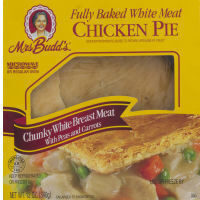
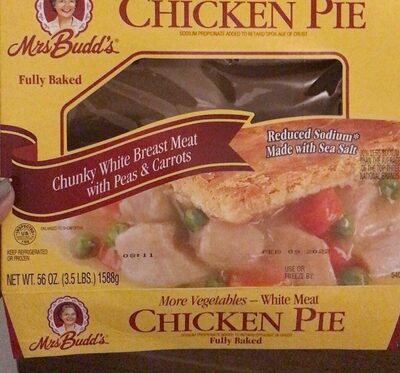
Foods that contain Salt And Sodium Phosphate
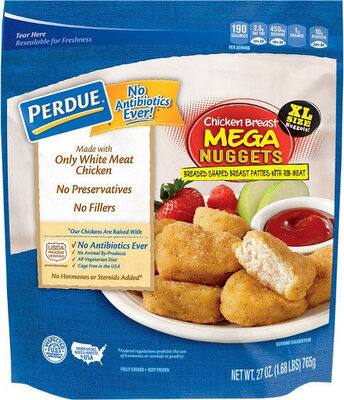
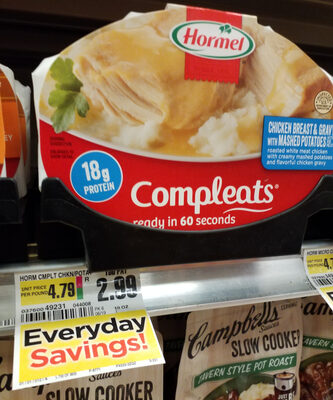
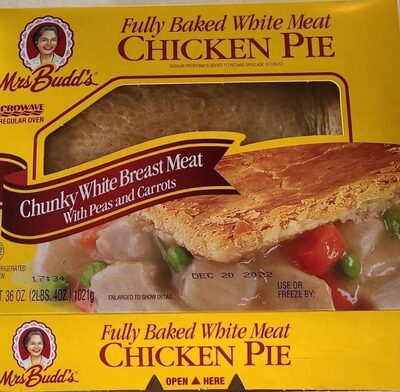
Compare products →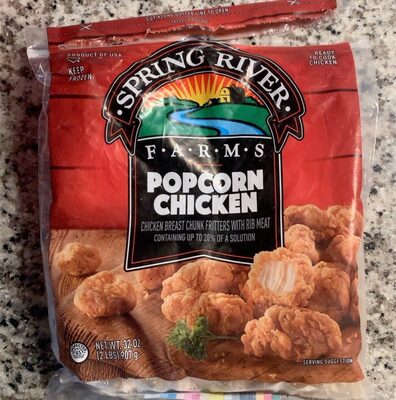
Auto-generated content. This description was generated automatically and is pending editorial review. Inaccuracies are possible. Found a mistake? Contact us.